Beyond the Postcard: Wealth in Asia's Wild Edges
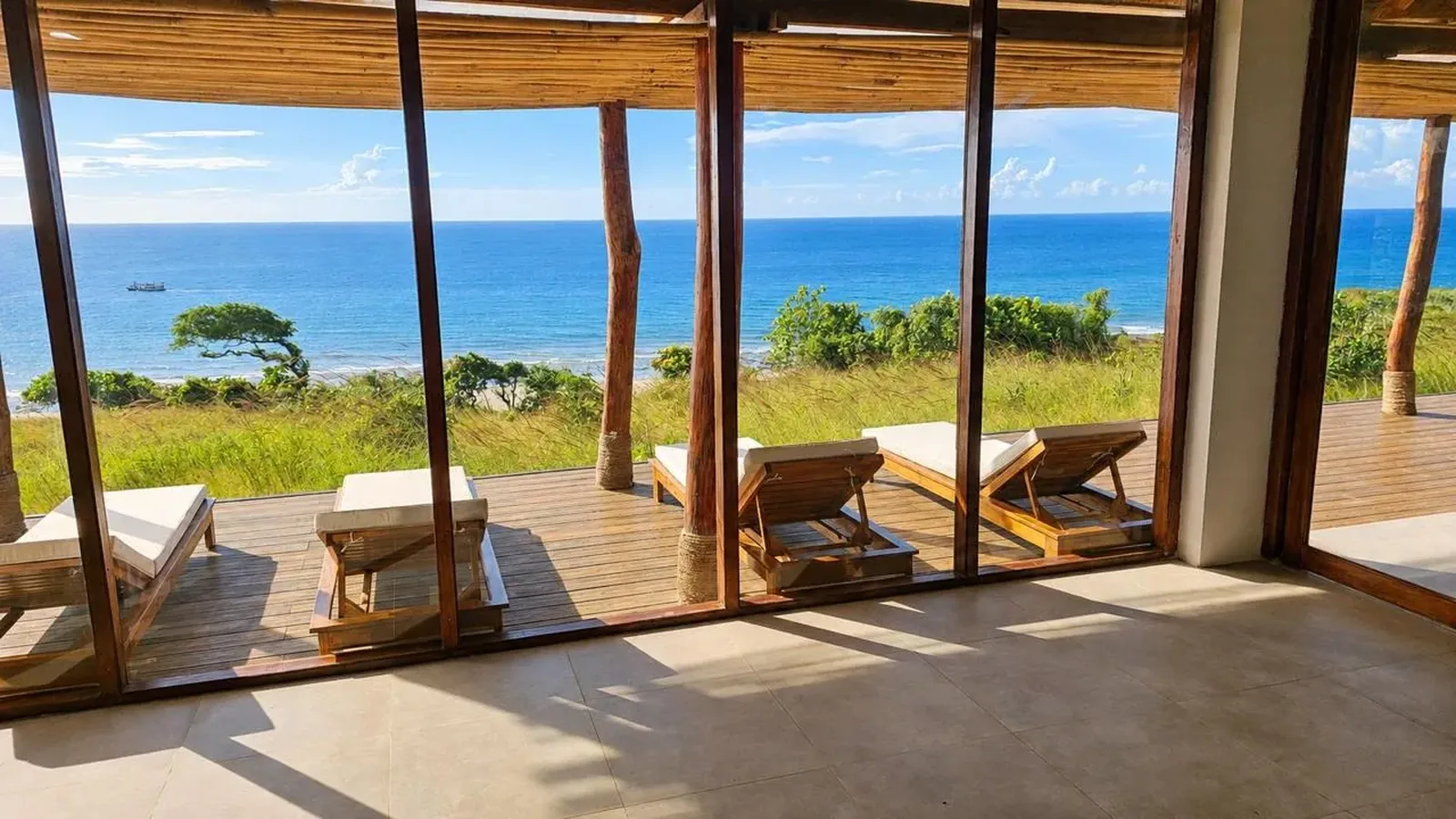
The hum of a distant scooter, the scent of jasmine and exhaust fumes mingling in the humid air, the relentless thrum of the familiar. It’s a sensory cocktail for anyone who's spent time in Southeast Asia's more popular enclaves. For years, the story was simple: buy a villa, list it on Airbnb, watch the rental income flow. And for a time, it worked. Bali, Phuket, even Lombok – they became synonymous with the dream of a sun-drenched, passive income stream. But dreams, like tides, recede.
I've seen the cycles unfold over a decade and a half from my perch here. The initial rush, the property boom, the inevitable saturation. Villas now stand shoulder-to-shoulder, each one vying for attention with an infinity pool and a promise of 'authentic' experience. The market segments, becomes hyper-competitive, and what once felt like effortless income transforms into a grind of maintenance, marketing, and the tyranny of a five-star review.
Is the dream dead? Not entirely. But it's certainly evolved. The astute investor, the one who truly understands this region beyond its glossy travel brochures, isn't chasing yesterday's returns. They're looking for scarcity. They're seeking authenticity. They're investing in soul.
The Allure of the Undiscovered
Walk away from the noise, the traffic, the constant negotiation for a taxi fare. Imagine a place where the rhythm of life is dictated by the sun and the moon, where ancient traditions are not museum pieces but lived realities, and where the ocean truly feels limitless. This isn't some romanticized notion; it's a very real proposition for those willing to look beyond the obvious.
The challenge, of course, is that 'undiscovered' often comes with its own set of hurdles. Infrastructure can be nascent, bureaucracy byzantine, and the concept of Western-style property ownership complex. Yet, it's precisely these barriers that often safeguard the inherent value of these locales, keeping mass tourism and rampant development at bay. They act as a natural filter, allowing only the most committed, most patient, and most respectful investors to enter.
The Shifting Sands of Investment
For a long time, the investment thesis for tropical rentals hinged on ever-increasing tourist arrivals and the global appeal of 'paradise'. But the global pandemic, for all its devastation, also provided a stark lesson: reliance on single-source income or a narrow demographic is precarious. The new investment paradigm prioritizes resilience, diversification, and a deeper connection to the local ecosystem.
Consider the change in traveller preference. The mass market still exists, yes, but a growing segment of affluent, conscious travellers are actively seeking something different. They're tired of resort corridors and pre-packaged experiences. They want immersion. They want impact. They want to feel they're contributing positively to the place they visit, not just consuming it. This shift isn't a trend; it's a fundamental recalibration of values.
"The true value in emerging markets isn't just about what you can extract, but what you can co-create. It's about building something that resonates locally, while appealing globally."
This isn't to say one should abandon all traditional metrics. Occupancy rates, average daily rates (ADR), and net operating income (NOI) remain crucial. But they need to be viewed through a new lens, one that factors in cultural sensitivity, long-term sustainability, and the genuine potential for community integration.
The Quiet Power of Sumba
Let's talk about Sumba. An island in eastern Indonesia, just southeast of Bali, it's a world apart. Here, horsepower still largely refers to the island's magnificent Sandalwood ponies. The Marapu religion, an animistic belief system, profoundly shapes daily life, from the towering uma mbatangu (traditional peak-roofed houses) to intricate burial rituals. The landscape is a breathtaking mosaic of rolling savannahs, dramatic limestone cliffs, and untouched white-sand beaches, often fringed by brilliant turquoise waters.
I first visited Sumba almost a decade ago, drawn by whispers of its raw beauty and unique culture. What struck me immediately wasn't just the scenery, but the palpable sense of presence. You don't just visit Sumba; you feel it. The air smells different – a mix of dry grass, salt, and woodsmoke. The silence is profound, broken only by the distant roar of the ocean or the crow of a rooster.
For years, Sumba remained largely off the radar, a destination for intrepid surfers, anthropologists, and a handful of eco-conscious adventurers. But things are changing, slowly, deliberately. The government, recognizing the island's potential while also acknowledging the need for careful development, has designated Sumba as a priority destination for sustainable tourism.
Building on Indigenous Foundations
The most compelling investment opportunities here aren't about replicating Bali's villa sprawl. They're about integration. They're about projects that honor the local culture, employ local people, and use local materials and design principles.
Consider an investment in an eco-lodge or a small collection of private villas designed with local ikat weaving patterns, constructed using sustainable timber and stone, and operating with a strong commitment to community engagement. These aren't just buildings; they're cultural anchors.
Let's look at some specifics, based on my observations and conversations with developers and local stakeholders:
- Land Acquisition: While prices are rising, they remain significantly more accessible than in Bali. A prime plot of beachfront land, say 5,000 square meters, might cost IDR 1.5 billion (approximately USD $100,000) in a developing area, whereas a comparable plot in a less-prime area of Bali could easily be IDR 15 billion (USD $1 million) or more. However, navigating land ownership requires deep local knowledge and trusted advisors. Leasehold is often the most secure route for foreign investors. Lease terms can range from 25 to 50 years, with options for extension.
- Construction Costs: Building a high-quality, architecturally sensitive villa using local materials and skilled Sumbanese craftsmen might run between USD $800 to $1,200 per square meter, depending on the finishes and complexity. A 200 sqm villa, therefore, could be built for USD $160,000 to $240,000. This is competitive even with some parts of Bali, but with the added value of cultural authenticity.
- Operating Models: The key here is not just short-term holiday rentals. Think longer stays, wellness retreats, cultural immersion programs, and even co-working spaces for digital nomads seeking genuine disconnection. This broadens the demand pool and builds resilience.
The Eco Beach City Model
One example of this thoughtful approach is the development around Eco Beach City on Sumba's southwest coast. This is not a 'city' in the urban sense, but a master-planned community designed to integrate high-end eco-tourism with local traditions. It emphasizes low-density development, renewable energy, and direct local employment.
Properties here are designed to minimize environmental impact, often off-grid or powered by solar, with water conservation at the forefront. The vision is for a self-sustaining ecosystem where guests come for the pristine environment, the unique culture, and the peace, knowing their stay supports the local community.
Investment here isn't just about a vacation rental; it's about buying into a philosophy. Villas within such a development, designed and managed by a responsible operator, can command premium rates. A well-executed 2-bedroom villa, managed professionally, could achieve an average daily rate (ADR) of USD $300-$500, with projected occupancy rates of 50-60% once established, translating to a gross annual income of USD $54,750 to $109,500. After management fees (typically 20-30%), maintenance, and operational costs, a net return of 8-12% on the initial investment is a realistic long-term target, especially as the brand and destination mature.
Beyond Financial Returns: The Intangible Dividends
The numbers are compelling, yes, but the real story of investing in places like Sumba goes deeper. It's about the intangible dividends that accrue. The satisfaction of supporting a community, the joy of witnessing cultural preservation, the profound sense of peace that comes from a slower, more connected way of life.
These are the aspects that appeal to a new generation of wealth-holders – those who understand that capital isn't just about accumulation, but about impact. They're seeking investments that align with their values, that offer not just financial growth but also personal enrichment.
Navigating the Landscape: A Journalist's Perspective
I've seen enough projects come and go to know that success in these frontier markets hinges on several critical factors:
- Local Partnerships: This is non-negotiable. Without trusted local partners who understand the cultural nuances, the regulatory landscape, and the community dynamics, any venture is doomed. A good local team isn't just a convenience; it's a necessity.
- Patience: Things will move slower than you expect. Permits, construction, even everyday communication – all operate on a different cadence. Embrace it. Rushing will only lead to frustration and missteps.
- Respect for Culture: Sumba's Marapu traditions are ancient and profound. Any development must demonstrate genuine respect for these customs, from building orientations to community engagement protocols. This isn't just good PR; it's essential for social license to operate.
- Sustainability at the Core: This isn't an add-on; it's the foundation. From waste management to water usage, energy sourcing to local sourcing of goods, genuine sustainability drives long-term value and attracts the right kind of guest.
- Long-Term Vision: This isn't a flip. This is about building enduring assets, contributing to a destination's thoughtful growth, and recognizing that true value compounds over years, not months.
The Future of Tropical Investment
The crowded, increasingly commoditized markets will continue to cater to the masses. But for those with discernment, with a vision for something more meaningful, the wild edges of Southeast Asia offer a different proposition. Here, passive income isn't just about rental yields; it's about investing in a lifestyle, in a culture, in a future where profit and purpose can coexist.
The challenge is to move beyond the postcard, to truly understand the soul of a place, and to build something that honors it. The rewards, financial and otherwise, for those who do, are profound and enduring.
It's not about escaping to paradise; it's about consciously creating it, one thoughtful investment at a time.