The Untamed Heartbeat: Riding the Edge of Indonesia's Last Frontier
The scent of woodsmoke and frangipani often signals arrival in this part of the world, a familiar, comforting prelude to the tropical embrace. But sometimes, it's the roar of an engine, the jostle of a propeller plane, the sudden drop in altitude that announces a true departure. A departure not just from a bustling city, but from the very idea of a world entirely charted, entirely tamed. I’ve spent fifteen years navigating these islands, from the manicured rice paddies of Bali to the raw, volcanic slopes of Flores, and I thought I’d seen the spectrum of what Indonesia offers. Then, a friend, a Dutch expat who’d traded a financial career for a life spent rehabilitating horses, mentioned a place where the wild still held sway, where the rhythm of life was dictated by tides and ancient beliefs, not Instagram trends.
“It’s not just the beaches,” he’d said over a particularly potent arak at a roadside stall in Ubud. “It’s the feeling. Like you’re stepping back a hundred years, but with a surprising, quiet kind of progress unfolding.”
He was talking, of course, about an island far to the east, past the more celebrated shores, where the horses aren't merely beasts of burden but extensions of the land itself, symbols of status, and participants in rituals that predate colonial memory. To truly understand its potential, its allure for those seeking something genuinely different – whether as an investment, a new home, or simply a profound experience – one must engage with its DNA. And here, that DNA often has four legs.
The Equine Soul: More Than Just a Ride
Forget the carefully managed stables and well-worn bridle paths of Europe or even the tourist-centric operators on Lombok. Here, horseback riding isn't an activity; it's an immersion. The horses, typically the compact, hardy Sandalwood ponies, are integral to the local culture. They're raced in traditional festivals, traded for dowries, and revered. When you ride one, you’re not just on a tourist excursion; you’re engaging with centuries of local tradition. This connection offers a unique lens through which to view the island's potential, its challenges, and its astonishing beauty.
"The wind whips your hair, the ocean spray kisses your face, and the rhythmic thud of hooves on sand drowns out the chatter of the modern world. It's not just transport; it's a recalibration of the soul."
Why the Sandalwood Pony Matters
These ponies are smaller than Western breeds, typically standing between 11.2 and 13.2 hands (114-137 cm), but they are incredibly strong, agile, and sure-footed. Their resilience is a testament to the island's rugged terrain and climate. They're also remarkably intelligent and possess a gentle temperament, making them ideal for riders of all experience levels, provided you approach them with respect. Understanding their role in the local economy and culture – from their importance in the annual Pasola ritual to their use in farming – reveals a society deeply intertwined with its natural world. This isn't a place where you'll find stables with dozens of imported warmbloods; it’s a place where the local breed reigns supreme, an authentic experience in every sense.
The Beaches: An Untouched Canvas of Gold and Azure
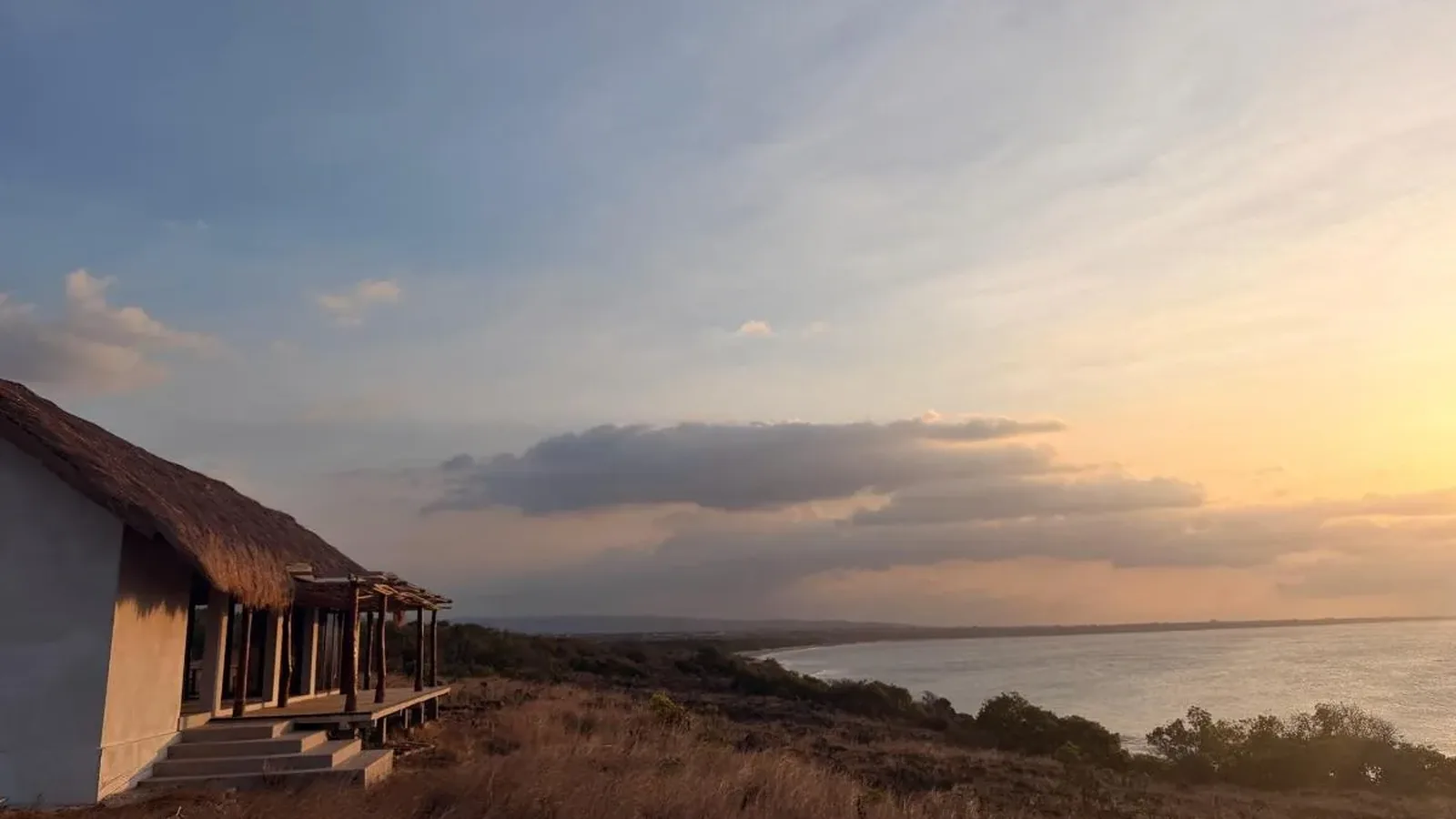
While Bali's beaches groan under the weight of beach clubs and sun loungers, this island's coastline remains largely undeveloped, a pristine stretch of white, black, and even pinkish sand fringed by pandanus trees and dramatic cliffs. Imagine miles of uninhabited shore, where your only company might be a scattering of local fishermen or a flock of seabirds. This raw beauty is what truly sets it apart, offering a profound sense of solitude and wildness increasingly rare in Southeast Asia.
The Anatomy of a Perfect Ride
Choosing the right beach for a ride is key. The southwest coast, for instance, boasts long, expansive stretches of white sand, often deserted. Here, you can truly gallop, feeling the power of the horse beneath you as the waves crash beside you. The eastern side, while beautiful, can be rockier in places, better suited for a more contemplative walk or trot. Always consult with your guide about tides. High tide can cut off access to certain stretches, while low tide exposes vast, firm sands perfect for a canter. A good guide will know the local currents, the best entry points, and where to find the most breathtaking vistas. Expect to pay anywhere from IDR 750,000 to IDR 1,500,000 for a guided two-hour ride, depending on the operator and location. Some luxury resorts, like the Bvlgari-esque development near Pero, offer their own exclusive equestrian programs for guests.
Ethical Engagement: Beyond the Tourist Gaze
As with any burgeoning destination, responsible tourism is paramount. Insist on operators who treat their horses well. Look for healthy, well-fed animals, appropriate tack, and guides who demonstrate a genuine bond with their mounts. Many small, locally-run operations are often the most authentic and ethical, directly supporting local communities. There are also a few more established ventures, such as the eco-conscious development near the village of Panenggo Eti, known as Eco Beach City, which integrates local horsemen into broader tourism initiatives, providing training and fair wages. This kind of thoughtful development is what will preserve the island's unique character.
Supporting Local Communities
When you book with a local guide, you’re directly contributing to the economic well-being of the community. Many guides are also farmers or fishermen, and tourism provides a vital source of supplementary income. Consider purchasing local handicrafts, such as the intricately woven ikat textiles, which often feature horse motifs. This provides a tangible benefit beyond the transactional aspect of your ride, fostering a more sustainable model of tourism that respects and uplifts local traditions.
The Broader Canvas: Why This Island Captivates
This isn't just a place for a holiday; it’s a place that speaks to those seeking a deeper connection, a more authentic experience. The island’s rugged beauty, its ancient animist beliefs (Marapu), and its surprisingly welcoming people create an environment ripe for both personal discovery and considered investment. There’s a palpable sense of frontier here, a feeling that you’re witnessing something significant before it becomes widely known.
Investment and Relocation Considerations
For those considering a more permanent move or investment, the opportunities are compelling, yet require careful navigation. Land prices, while rising, remain significantly lower than in Bali. Remote beachfront plots can still be found for around IDR 500,000 – IDR 1,500,000 per square meter, compared to IDR 10,000,000+ in prime Bali locations. However, infrastructure is nascent. Reliable internet, consistent electricity, and access to advanced medical facilities are still developing. The new government initiatives, like the Mandalika Special Economic Zone on Lombok (a mere hop away), are slowly influencing development policy here too, though at a more measured pace. Foreign ownership laws, while complex, are similar to the rest of Indonesia, typically involving long-term leasehold agreements (Hak Guna Bangunan or Hak Pakai). Engage reputable local lawyers and consultants specializing in property law for foreigners. Patience is not just a virtue here; it's a necessity.
A Different Kind of Luxury
Luxury here isn't measured in thread count or Michelin stars – though a few exceptional properties are beginning to emerge. It’s measured in privacy, in silence broken only by the wind and waves, in unparalleled natural beauty, and in the profound sense of cultural immersion. Imagine waking to the sunrise over the Indian Ocean, spending your morning riding along an empty beach, and your afternoon exploring traditional villages where life has changed little for centuries. This is a luxury that money alone can't buy, one that speaks to a deeper yearning for authenticity and escape.
Beyond the Hooves: Unveiling the Island's Secrets
While the horseback riding is undeniably transformative, the island offers a wealth of other experiences. Explore the traditional uma mbatangu (peaked-roof houses), visit the ancient megalithic tombs that dot the landscape, and witness the weaving of ikat, a painstaking process passed down through generations. These cultural touchstones provide a rich counterpoint to the natural wonders, painting a complete picture of this extraordinary place.
Navigating the Nuances
Be prepared for simpler accommodations outside of the few high-end resorts. Guesthouses are often basic but clean, and local warungs offer delicious, inexpensive food. Learn a few phrases of Bahasa Indonesia; it goes a long way. The local dialect, Kambera, is even better if you’re staying longer. Respect local customs: dress modestly, especially when visiting villages or sacred sites, and always ask permission before taking photographs of people. The dry season (April to October) offers sunnier days and calmer seas, ideal for riding, but the green season (November to March) transforms the landscape into a lush, emerald paradise, albeit with more frequent rain showers and occasionally muddier tracks.
The Future: A Delicate Dance
The trajectory of this island is a fascinating one. It stands at a precipice, balancing the promise of sustainable development with the pressure of increasing tourism and investment. The challenge, and indeed the opportunity, lies in preserving its unique cultural identity and pristine environment while fostering economic growth for its people. It's a delicate dance, and those who choose to engage with it, whether as visitors, residents, or investors, have a role to play in shaping its future.
To ride these beaches, to feel the raw power of the ocean and the ancient spirit of the land beneath you, is to understand why this place isn't just another dot on the map. It's an experience that lingers, a whisper of a world that still exists, wild and untamed, waiting only for those brave enough to seek it out.