Surf in Sumba: seasons, levels and what to bring
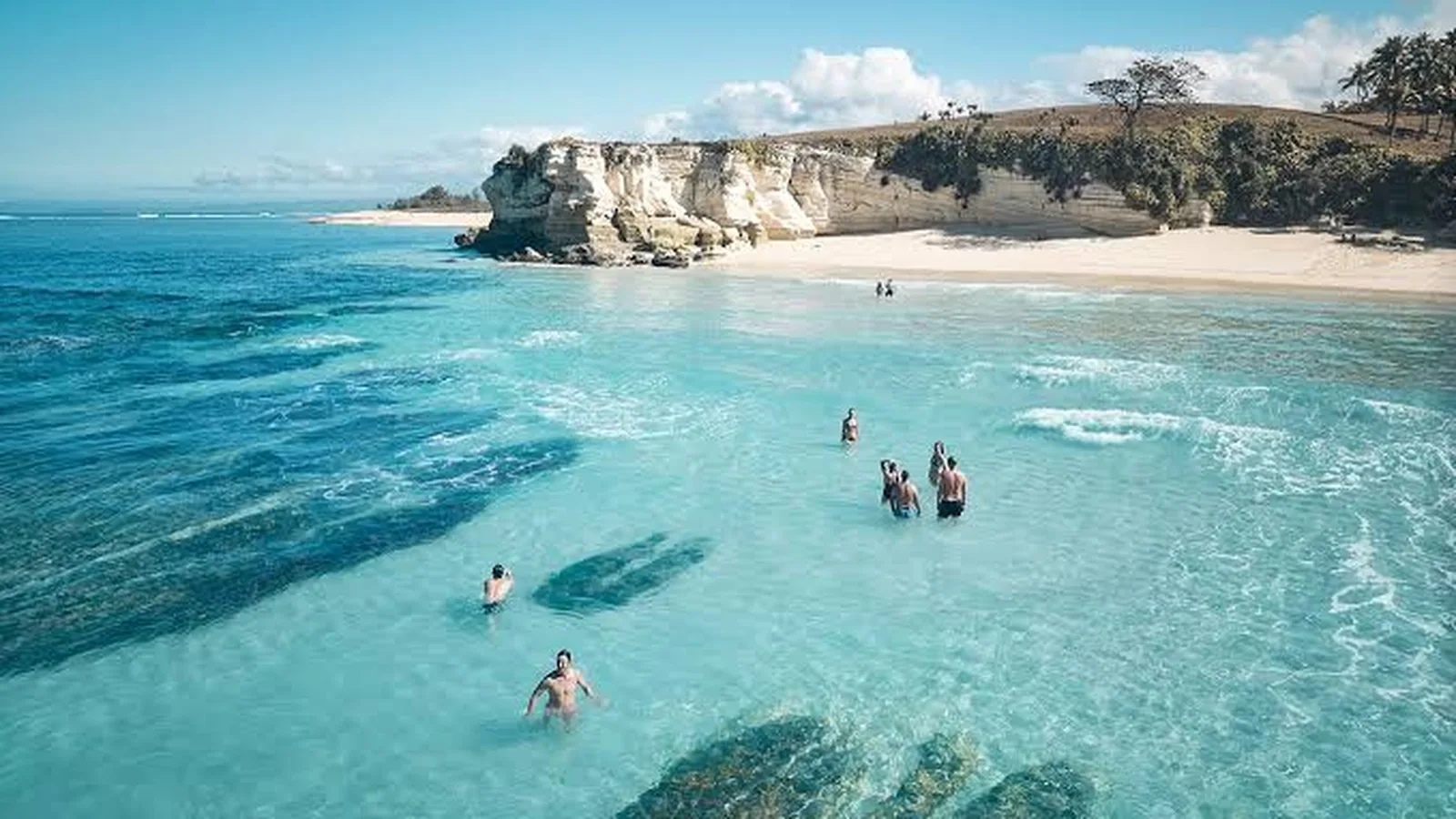
Sumba has a reputation among surfers as one of the quieter corners of Indonesia: an island about one hour by plane from Bali, with long stretches of coast that face the open Indian Ocean. If you are wondering whether surf in Sumba suits you, this guide covers the seasons, the general shape of the island, the level you need, what to pack and how to travel with respect.
We keep it to well-established facts. Where something depends on the day, the tide or the break, we say so.
Where Sumba is
Sumba is an island in East Nusa Tenggara, in eastern Indonesia, east of Bali. It has two airports: Tambolaka (TMC) in the west and Waingapu (WGP) in the east. There are daily flights from Bali (Denpasar, DPS) to Tambolaka, and the flight takes about one hour. Our how to get here page and the guide on how to get to Sumba from Bali explain the options.
Compared with Bali, Sumba has far fewer buildings, fewer surf shops and far fewer people in the water. That is the appeal, and it is also the reason to plan carefully.
The island for surfers, in broad strokes
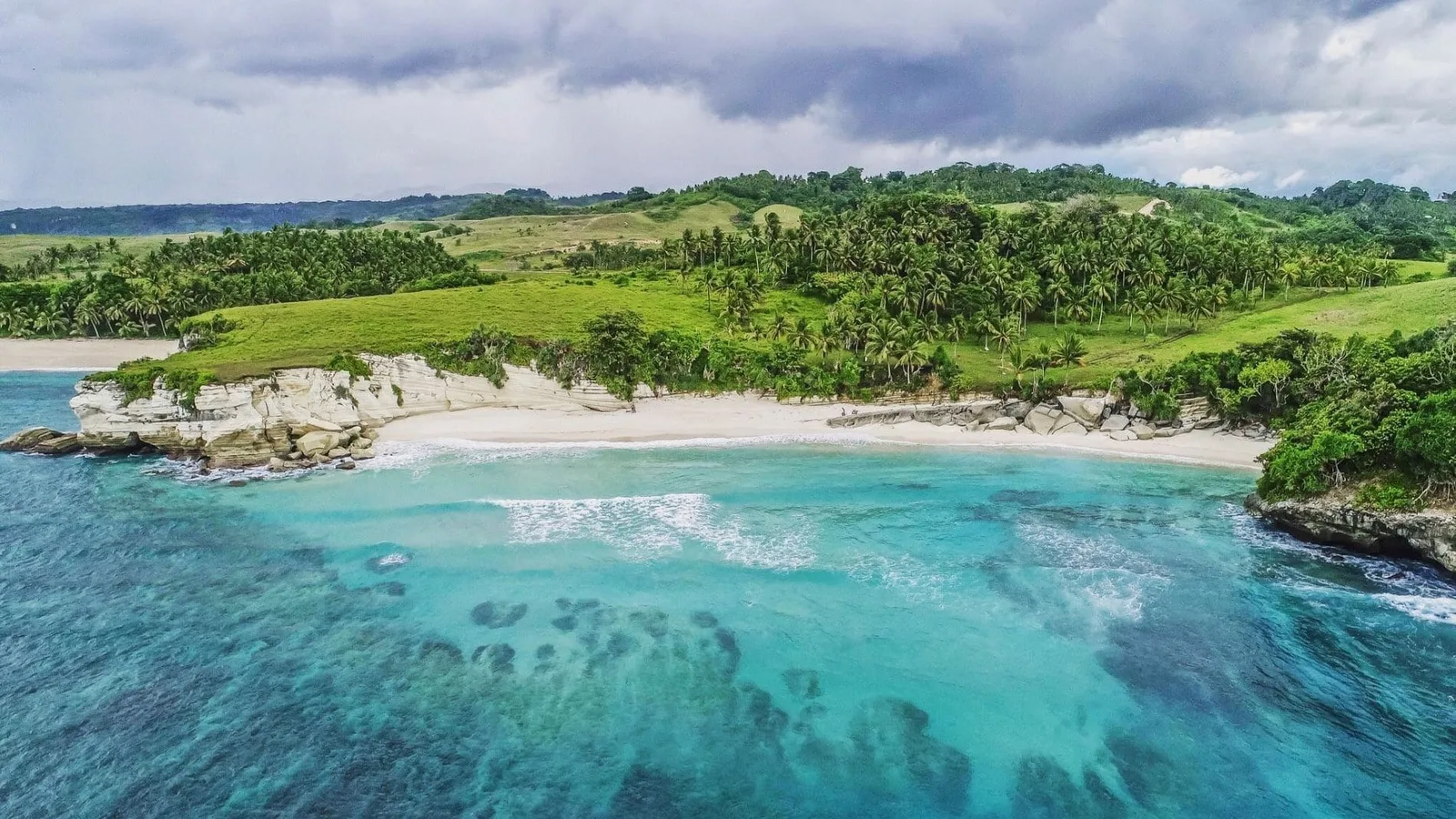
The south and west coasts of Sumba face the Indian Ocean, which is where the swell comes from.
Most of the well-known waves are reef breaks. That means the wave breaks over coral or rock rather than sand, often in shallow water. Reef breaks can be beautiful and consistent, but they ask more from the surfer: good judgement, a clean take-off and knowing where to paddle out and where not to.
We do not publish a list of named breaks here. Conditions change with swell, wind and tide, and the people who know each spot best are the local surfers and guides who are in the water every day.
When to go: dry season and swell
Sumba is warm all year and has two broad seasons:
- Dry season, roughly April to October or November. Less rain, lower humidity and the easiest months for travel. This is also when the Indian Ocean tends to send its most regular swell towards the south and west coasts.
- Rainy season, roughly December to March. Greener hills, more humidity and thunderstorms, and roads and plans that are less predictable.
The rains can start earlier in some years. Treat these months as a guide, not a promise, and check a forecast before you book.
What level you need
Because most breaks are over reef, surf in Sumba is better suited to intermediate and advanced surfers who can read a lineup, duck dive or turtle roll, and judge when a session is beyond them.
If you are a beginner, it can still be a good place to learn, but only with a qualified coach who knows where and when it is safe. Sandy beaches with gentle waves exist, but they are not everywhere, and swimming conditions change with the tide and swell. Ask locally before you go in at any unfamiliar beach.
A few simple rules help every level:
- Watch a set or two before paddling out
- Check the tide: a wave that is fine at mid tide can be very shallow at low tide
- Never surf a reef alone, and tell someone where you are going
- If in doubt, stay out
What to bring
Sumba has far fewer shops than Bali, and surf gear can be hard to find. Pack what you depend on:
- Reef booties. Useful on shallow reef and on rocky entries
- Reef-safe sunscreen, a hat and a rash vest or long-sleeve top. The sun is strong all year
- A first-aid kit with antiseptic, plasters and something to clean reef cuts quickly, because coral cuts can get infected in warm water
- Spare leash, fins, wax and a ding repair kit
- A board bag that protects your board on domestic flights, and check your airline's baggage rules before you fly
- Travel insurance that covers surfing and medical evacuation from remote areas
Bring some cash in rupiah too. Small shops and local warungs may not take cards.
Respect for local communities
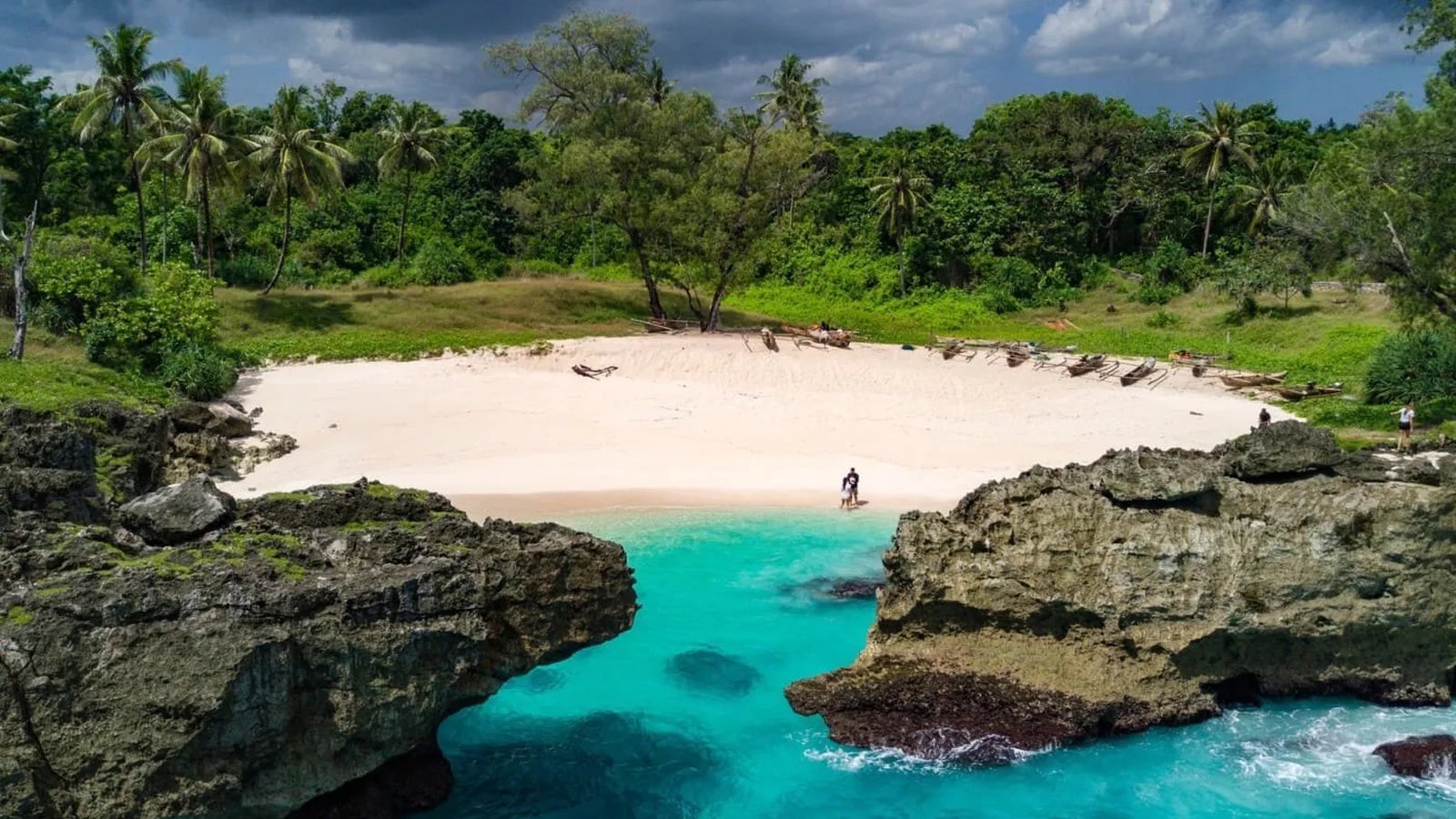
Sumba has a strong living culture. Many Sumbanese follow Marapu, a traditional belief centred on ancestors, and land and coast often belong to families and villages. Surfing here goes well when you behave like a guest:
- Ask before crossing land or parking near a village to reach a beach
- Greet people, learn a few words of Bahasa Indonesia, and say thank you
- Dress modestly away from the beach and in villages
- Ask before taking photos of people or sacred places
- Take your rubbish with you, including plastic from snacks and wax wrappers
- In the water, respect the lineup and local surfers. Wait your turn
Surf at Eco Beach City and the Head of Surf
Eco Beach City is a community by the sea on Sumba, inside a private seafront residence with 2 km of beach. What is already built: 24 homes, padel and tennis courts, and a beachfront coworking with Starlink internet. People already stay on site.
Surf is one of the disciplines in the community. There is no published surf experience date yet: dates are published as each experience is confirmed. Watersports that already exist as experiences include the Kayak & Paddleboard Camp, and you can see the full list on the experiences page.
This is where the Head of Surf comes in. Every discipline has one Head per country, and only one. The Head of Surf for a country helps shape the surf weeks for people from that country, brings their own community, and shares in the result. If you surf, know other surfers and like the idea of bringing them to a quiet island, the page explains how it works.
A short checklist before you book
- Check the season and a swell forecast for your dates
- Be honest about your level, and book a coach if you are new to reef
- Pack booties, sunscreen, first aid and spare gear
- Confirm your flight from Bali and your board allowance
- Get insurance that covers surfing and evacuation
- Plan to arrive with respect for the land and the people
FAQ
Is Sumba good for surfing?
Sumba is known for its waves, with south and west coasts that face the Indian Ocean swell. Most breaks are over reef, so it suits intermediate and advanced surfers best.
When is the best time to surf in Sumba?
The dry season, roughly April to October or November, is usually the easiest time to travel and tends to bring the most regular swell. Always check a forecast.
Can beginners surf in Sumba?
Yes, with a qualified coach who knows where and when it is safe. Reef breaks are not the place to learn alone.
How do I get to Sumba?
Daily flights go from Bali (Denpasar, DPS) to Tambolaka (TMC). The flight takes about one hour.
Does Eco Beach City run surf trips?
Surf is one of the community's disciplines. Dates are published as each experience is confirmed. The Head of Surf page explains how surfers from each country can take part in shaping it.
Next step
If Sumba's waves are on your list, read the Head of Surf page, and download the free guide Sumba for athletes for seasons, travel and a packing list in one place.