Sumba for athletes: when to go, how to get there and what to bring
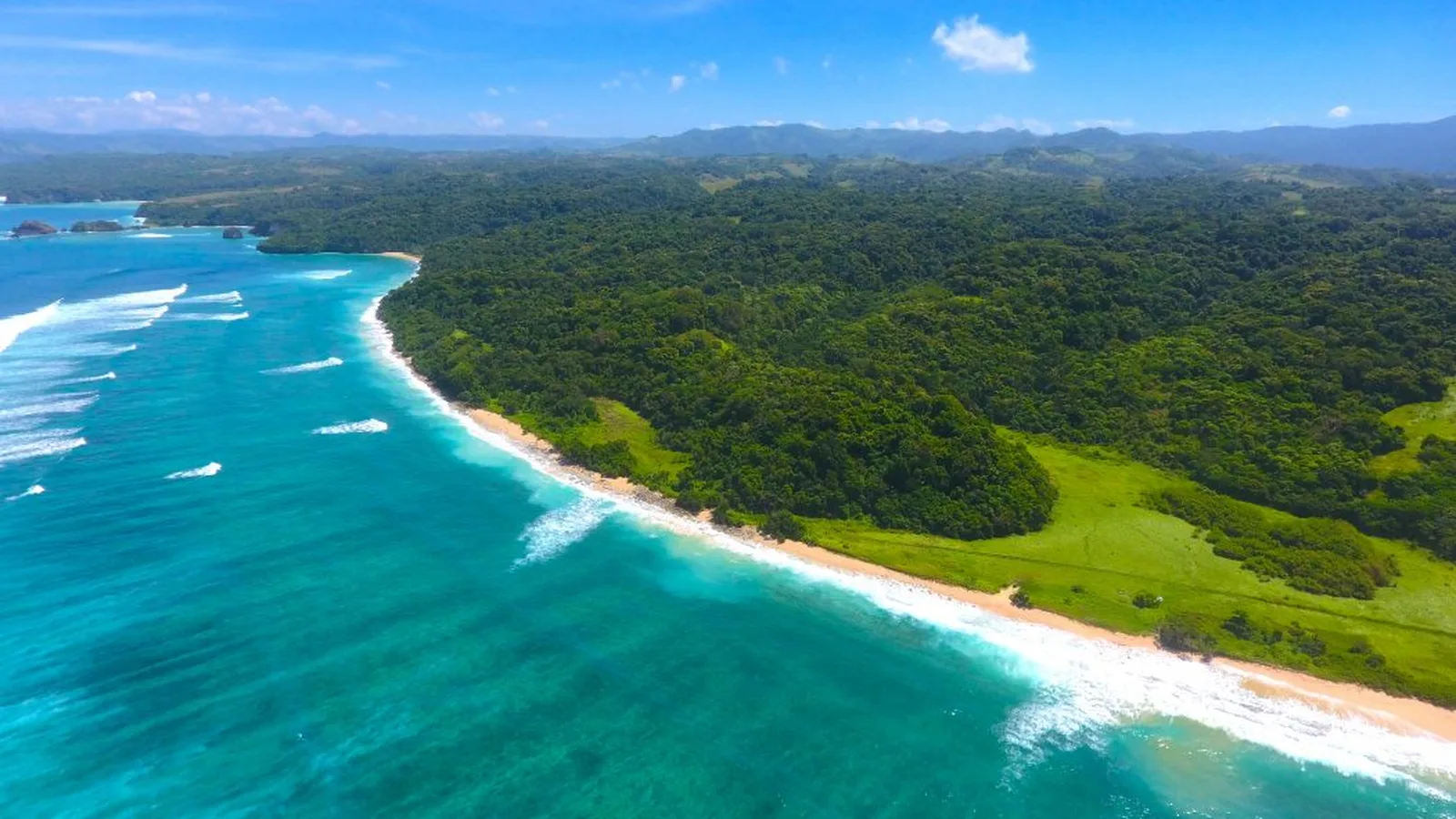
Sumba is a good fit for athletes who want warm weather, open space and quiet training by the sea. It is an island in eastern Indonesia, about one hour by plane from Bali, with long beaches, rolling hills and far fewer people than Bali. This guide covers when to go, how to get there, how to handle the heat, how to train well by the sea, what you will find at Eco Beach City and what to pack.
If you prefer to read it offline, the same guide is available as a free PDF: Sumba for athletes.
When to go
Sumba is warm all year and has two broad seasons:
- Dry season, roughly April to October or November. Less rain, lower humidity and the easiest months for travel, outdoor training and the beach.
- Rainy season, roughly December to March. The hills turn green, humidity rises, thunderstorms are more frequent and some roads and plans become less predictable.
The rains can arrive earlier in some years. For a training block or a team trip, the dry months are usually the safest choice. If you come in the wet season, keep your plan flexible and have indoor or covered options for stormy afternoons.
How to get there
Sumba has two airports: Tambolaka (TMC) in the west and Waingapu (WGP) in the east. There are daily flights from Bali (Denpasar, DPS) to Tambolaka, and the flight takes about one hour. Most international travellers connect through Bali.
A few tips for athletes:
- Check your airline's baggage rules for bikes, boards, rackets and other sports equipment before you book
- Give yourself a buffer day in Bali or on arrival, especially before a competition or a key session
- Pack medicines and anything you depend on in your carry-on
Our how to get here page has the practical details.
Heat and hydration
Training in the tropics is different from training at home. Heat and humidity raise your heart rate for the same effort and increase sweat loss. A few habits make a big difference:
- Train early or late. Sunrise and the hour before sunset are the most comfortable times
- Drink before you are thirsty, and replace salts as well as water after long or sweaty sessions
- Give yourself a few days to adapt. Start with lighter sessions and build up
- Protect your skin. Hat, sunglasses, sunscreen and light, breathable clothing
- Know the warning signs of heat illness: dizziness, headache, nausea or unusual tiredness are a signal to stop, cool down and rest
If you have a medical condition, speak with your doctor before a training trip to a hot climate.
Training by the sea
The beach and the sea give you a natural gym. Sand running and sand drills build strength in the feet and legs, while swimming and paddling give you low-impact cardio between harder days. A few practical points:
- Sand is harder on the calves and Achilles than a track. Start with short sessions
- Swimming conditions change with the tide and swell. Ask locally before you swim at an unfamiliar beach, and never swim alone
- Recovery matters more in the heat. Sleep, shade and easy days are part of the plan
Sports at Eco Beach City
Eco Beach City is a community by the sea on Sumba, inside a private seafront residence with 2 km of beach. What is already built and open today:
- Padel and tennis courts by the sea
- A beachfront coworking with Starlink internet, useful if you train and work on the same trip
- 24 homes, with guests already staying on site
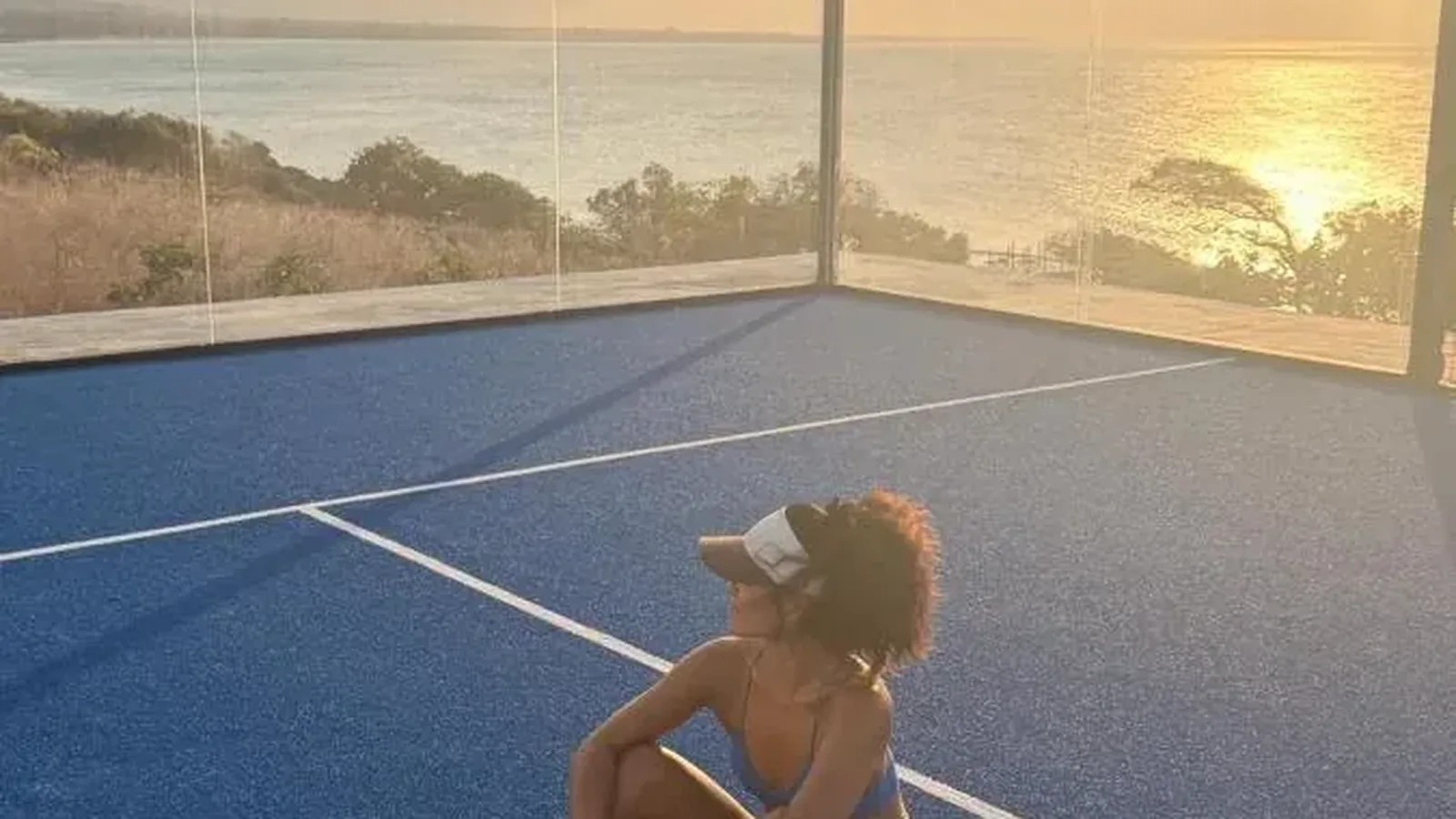
The community organises themed experiences, including the Padel Camp & Tournament, the Tennis Camp & Tournament, the Functional Fitness Week, the Sumba Running Challenge, the Boxing Camp, the Beach Volleyball Week and the Kayak & Paddleboard Camp. Dates are published as each experience is confirmed, so there is no fixed calendar yet. You can see them all on the experiences page.
Culture off the field
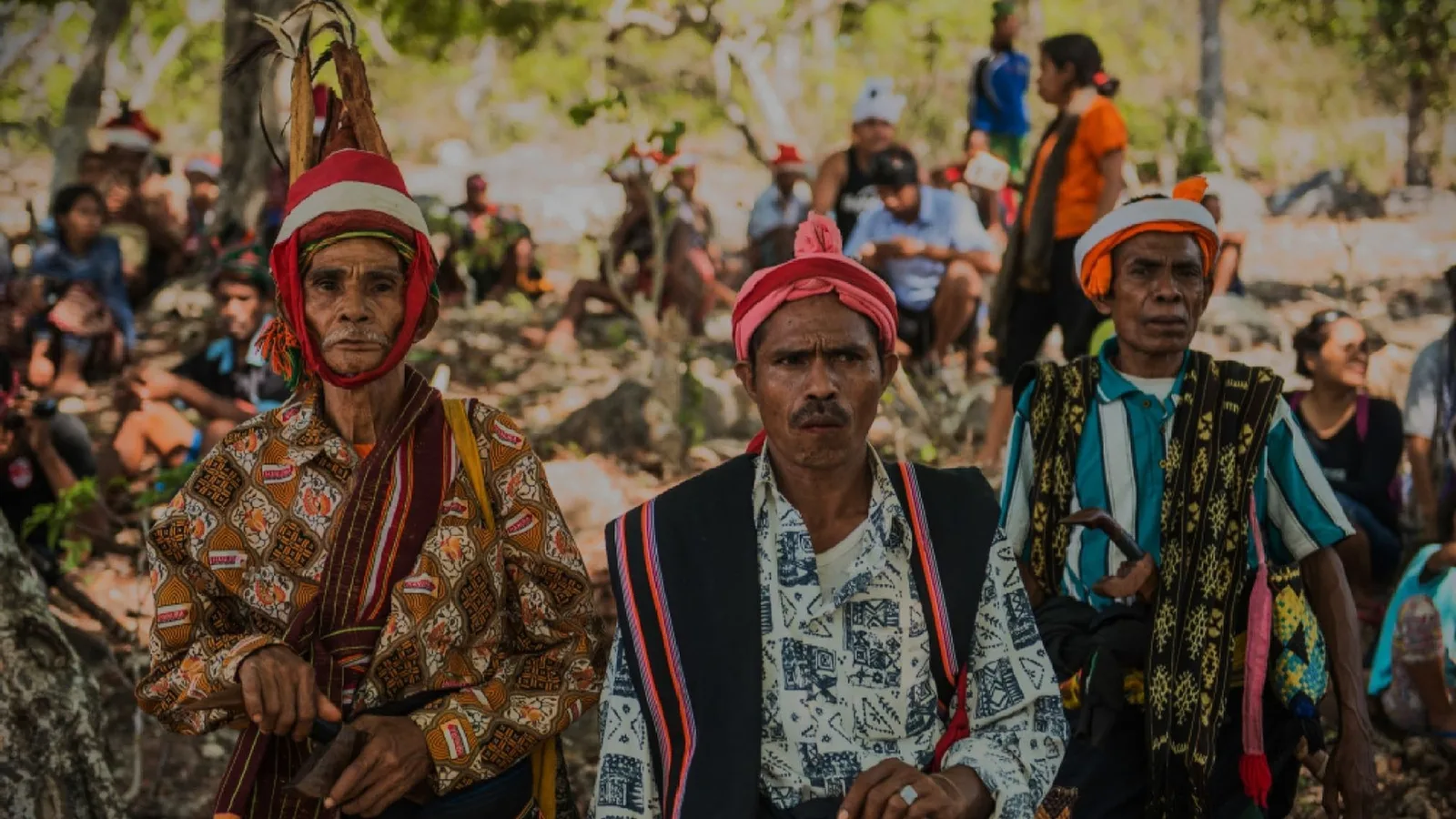
Sumba's culture is one of the best reasons to stay a few extra days.
- Pasola. A ritual horseback jousting festival, usually held around February or March in West Sumba. Dates follow tradition, so confirm locally before planning a trip around it
- Traditional villages. High-roofed clan houses and megalithic stone tombs are found across the island. Visit with a local guide, dress modestly and ask before taking photos
- Ikat weaving. Sumba is known for hand-woven ikat textiles. Buying directly from weavers supports local families
Organising a trip for your team or club
Sumba works well for a small group that wants focus. Start with the dry season, agree on a training plan that leaves room for heat adaptation, and book flights from Bali early. Bring the equipment you need, because specialist gear is hard to find on the island.
If you coach, lead a club or simply bring people together around a sport, the Head of program is designed for you. Every discipline has one Head per country, and only one.
A short checklist
- Travel in the dry season if you can, roughly April to October or November
- Book the flight from Bali to Tambolaka and check your sports baggage rules
- Pack sunscreen, a hat, light clothing and a refillable bottle
- Bring electrolytes and a small first-aid kit
- Bring your own equipment, plus spares
- Get travel insurance that covers your sport and medical evacuation
- Carry some cash in rupiah
- Plan a light first few days to adapt to the heat
- Learn a few words of Bahasa Indonesia and respect local customs
FAQ
What is the best time for a sports trip to Sumba?
The dry season, roughly April to October or November, is usually the easiest for travel and outdoor training.
How do I get to Sumba?
Daily flights go from Bali (Denpasar, DPS) to Tambolaka (TMC). The flight takes about one hour.
What sports facilities are at Eco Beach City?
Padel and tennis courts by the sea and a beachfront coworking with Starlink are built and open, along with 24 homes.
When is Pasola?
Usually around February or March in West Sumba. Dates follow tradition, so confirm locally.
Next step
Download the free PDF guide Sumba for athletes, and if you would like to bring people from your country to train by the sea, read about the Head of program.