Stone, Spirit, and the Slow Unfolding of Time
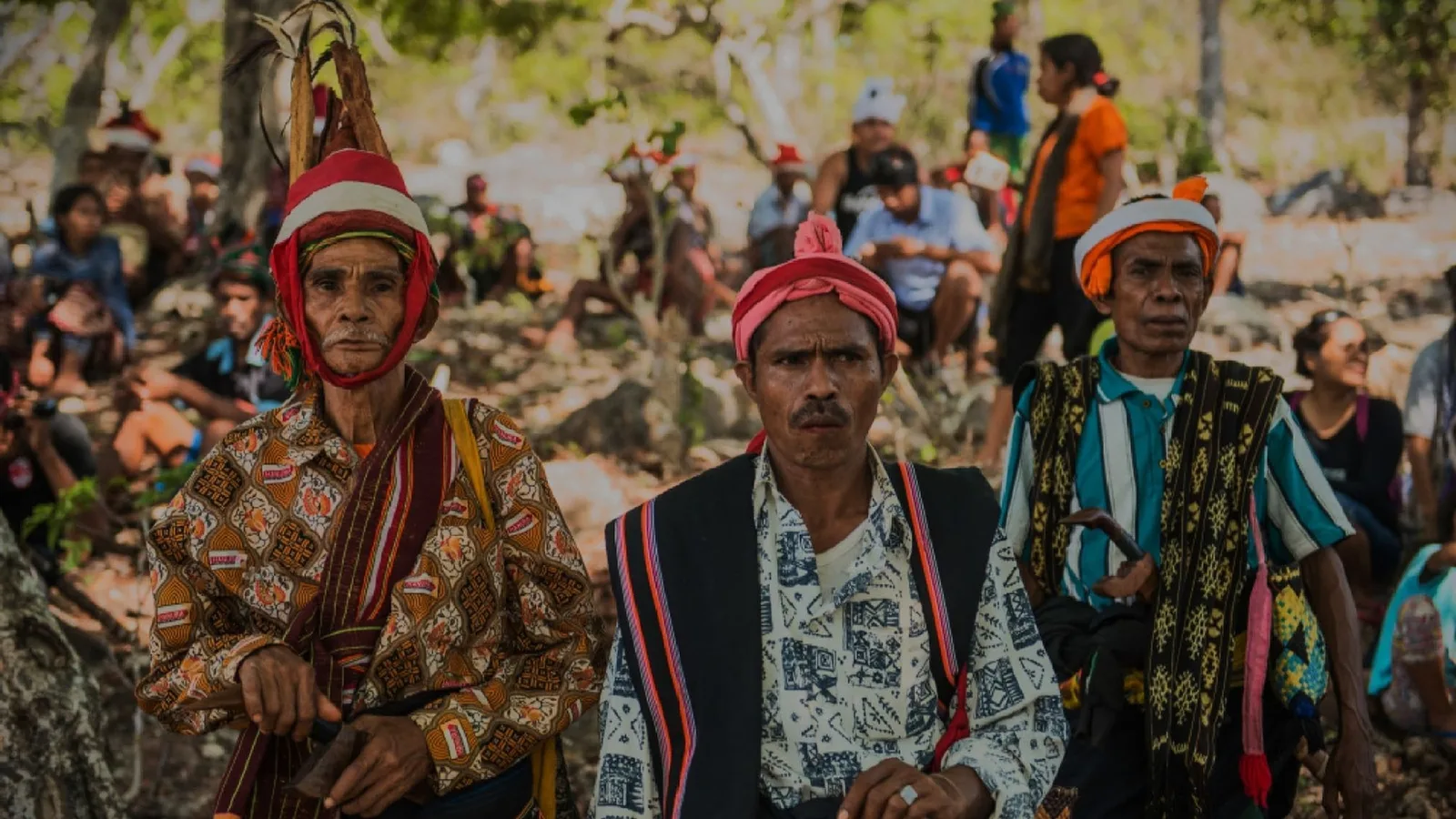
The heat, even at 6 AM, was already a thick blanket. It clung to the skin, promised sweat, and carried the faint, sweet scent of woodsmoke and damp earth. I stood, barefoot, on packed dirt, the rhythmic thump-thump-thump of a wooden mortar pounding rice echoing from a nearby hutch. Overhead, a colossal, flat stone, rough-hewn and weighing easily several tonnes, rested uneasily on a quartet of smaller, equally imposing uprights. Around it, women in indigo ikat skirts moved with a quiet grace, their silver necklaces glinting in the burgeoning light. A young boy, no older than ten, carefully sharpened a machete on a whetstone, the shink-shink-shink a counterpoint to the rice pounding. This wasn't a museum. This wasn’t a staged performance for tourists. This was life, lived as it has been for centuries, in the shadow of giants.
It’s a scene that has stayed with me, etched into memory with the sharp clarity of a dream. We live in an accelerating world, one where the next disruption is always just around the corner, where the digital stream rushes by, blurring the edges of tradition, eroding the unique in favour of the universally accessible. Yet, in pockets, often in places you’d least expect, time has a different cadence. It moves with the slow, deliberate beat of a drum, with the patient growth of a banyan tree, with the deep-rooted understanding that some things are simply not meant to be rushed. This isn't just about preserving the past; it's about a profound way of being that offers a startling counterpoint to contemporary life, and, perhaps surprisingly, a rarely discussed lens through which to view future investment and living.
The Allure of the Unhurried
For years, the talk has been of Bali. Of Phuket. Of the well-trodden paths that promise paradise, albeit a paradise increasingly hemmed in by traffic, over-development, and the relentless hum of global tourism. And while those places certainly have their undeniable charm and infrastructure, they often lack that raw, unmediated connection to something older, something truly other. The investor, the entrepreneur, the family looking to put down roots – they’re often searching for more than just sun and sand. They’re looking for soul. For authenticity. For a place where capital isn't the sole arbiter of value. They're seeking an escape from the relentless churn, a place where culture isn't a commodity, but the very fabric of existence.
I’ve seen the fatigue in the eyes of those who have chased every trend, who have built empires only to feel hollow. They speak of a craving for meaning, for connection, for a deeper sense of place than a luxury villa in a crowded tourist enclave can provide. This yearning, I've observed, is leading them to remote corners, to islands where the digital detox isn't a choice but a given, where the pace is dictated by seasons and ceremonies, not quarterly reports.
"To truly understand a place, you must first understand its relationship with its dead. For it is in their veneration that the living find their deepest anchors."
Where Ancestors Still Walk the Earth
And so, my thoughts inevitably turn to Sumba. An island that, even after fifteen years in Southeast Asia, still manages to surprise and humble me. It's not for everyone, this much is certain. There are no Michelin-starred restaurants, no sprawling shopping malls, no bustling international airports with direct flights to every major capital. The main airport, Tambolaka (TMC), sees only a handful of flights daily, primarily from Denpasar (DPS) and Jakarta (CGK). Infrastructure is rudimentary in parts, roads can be challenging, and luxury, in the Western sense, is rare.
What Sumba offers, instead, is a profound immersion into a culture that reveres its ancestors above all else. This reverence manifests most visibly in the island's extraordinary megalithic tombs. These aren't quaint historical markers; they are living testaments to an enduring spiritual practice, scattered across the landscape like colossal, ancient chess pieces. You’ll find them in the center of villages, beside modern homes, sometimes even serving as impromptu benches for gossiping neighbours. They are the resting places of the marapu, the ancestral spirits, who are believed to continue to influence the lives of the living.
Witnessing a traditional burial ceremony, or Pasola festival, is an experience that redefines one's understanding of community and continuity. These events are not tourist spectacles; they are deeply sacred, often lasting for days, involving the sacrifice of buffalo and pigs, elaborate feasting, and the weaving of intricate ikat textiles that tell stories passed down through generations. I recall one ceremony in Kodi, West Sumba, where over a dozen buffalo were sacrificed, their blood blessing the fields and ensuring a good harvest. The air was thick with the scent of smoke, spices, and earth. The cost for such a ceremony? Easily IDR 500 million (approximately USD $33,000) for a significant family, a testament to the enduring importance of these rites.
The Art of the Hand-Woven Story
Beyond the stones, the ikat weaving of Sumba is a masterclass in slow art. Unlike batik, where patterns are drawn with wax, ikat involves meticulously tying and dyeing threads before they are woven. The process is incredibly time-consuming, often taking months, sometimes even a year, for a single, complex textile. Natural dyes, derived from indigo, noni root, and bark, produce a rich, earthy palette. Each motif – the mamuli (a fertility symbol), the horse, the chicken, the human figure – carries deep symbolic meaning, often denoting status, lineage, and spiritual connection.
I've spent hours in small village workshops, watching women with calloused fingers and extraordinary patience tie hundreds of thousands of tiny knots. A good quality, hand-dyed, naturally woven Sumba ikat can fetch anywhere from IDR 5 million (USD $330) to IDR 50 million (USD $3,300) or more, depending on its age, complexity, and provenance. These aren't just souvenirs; they are portable histories, investment-grade textiles sought by collectors worldwide.
The Eco-Conscious Evolution
The island isn't entirely static, however. There's a nascent movement towards sustainable development, a recognition that Sumba's unique heritage must be protected, not exploited. Projects like Eco Beach City (an example, not a specific endorsement) are attempting to integrate modern amenities with a deep respect for local culture and environment. These initiatives often focus on renewable energy, responsible waste management, and empowering local communities through employment and skill-building. They understand that the true value of Sumba lies in its untouched beauty and its living traditions, not in replicating the mistakes of other, more heavily developed islands.
This is where the discerning investor or resident comes in. The opportunity isn't in chasing quick returns from mass tourism. It's in strategic, long-term engagement with a place that demands respect and offers profound rewards. Think boutique eco-lodges integrated into the landscape, not sprawling resorts. Think cultural immersion experiences, not packaged tours. Think sustainable agriculture and fisheries, not industrial exploitation. The returns here are not just financial; they are cultural, spiritual, and deeply personal.
The Practicalities of Paradise (or Near-Paradise)
Navigating Sumba requires patience and a willingness to embrace the unexpected. Renting a reliable 4x4 with a local driver is essential for exploring the interior. Fuel, often sold in glass bottles by the roadside, can be pricier than in Java or Bali. English is not widely spoken outside of a few specific tourist-oriented businesses, so a basic grasp of Bahasa Indonesia, or the assistance of a good local guide, is invaluable. Internet connectivity is improving but remains spotty in many areas. Expect mobile data (Telkomsel is usually best) rather than ubiquitous Wi-Fi.
Property ownership laws for foreigners in Indonesia are complex, generally involving leasehold agreements rather than outright freehold. For those looking to establish a more permanent presence, engaging with reputable local legal counsel specializing in Indonesian land law is paramount. Expect leasehold terms to be around 25-30 years, often with options for extension. Prices for land vary wildly, from IDR 10 million per are (100 sqm) in remote areas to IDR 100 million+ per are in prime coastal locations. However, these figures are highly negotiable and dependent on local relationships and land status (e.g., adat land, freehold, etc.). Due diligence here is not a suggestion; it's a necessity.
Living costs, outside of imported luxuries, can be surprisingly low. Fresh fish, rice, and local vegetables are abundant and inexpensive. A simple meal at a warung might cost IDR 20,000 (USD $1.30). However, the cost of quality imported goods or specialized services can be significantly higher due to logistics.
Beyond the Horizon: A Different Kind of Wealth
The questions that echo in the age of digital nomadism and global mobility are no longer just where can I work, but how can I live? Where can I find a sense of belonging that transcends transient trends? Sumba offers an answer, not in its pristine beaches alone, but in its ancient stones, its hand-woven stories, and the enduring spirit of its people. It's a place that forces you to slow down, to listen, to truly see. It’s a place that reminds you that true wealth isn’t always quantifiable in rupiah or dollars, but in the richness of experience, the depth of connection, and the enduring power of tradition.
Can this way of life survive the inevitable march of progress? That remains the vital question. But for now, in its monumental silence and its vibrant ceremonies, Sumba offers a rare and powerful antidote to the modern world's relentless current. A place where the past isn't just remembered, but actively, beautifully lived.