The Shifting Sands of Southeast Asian Coastlines
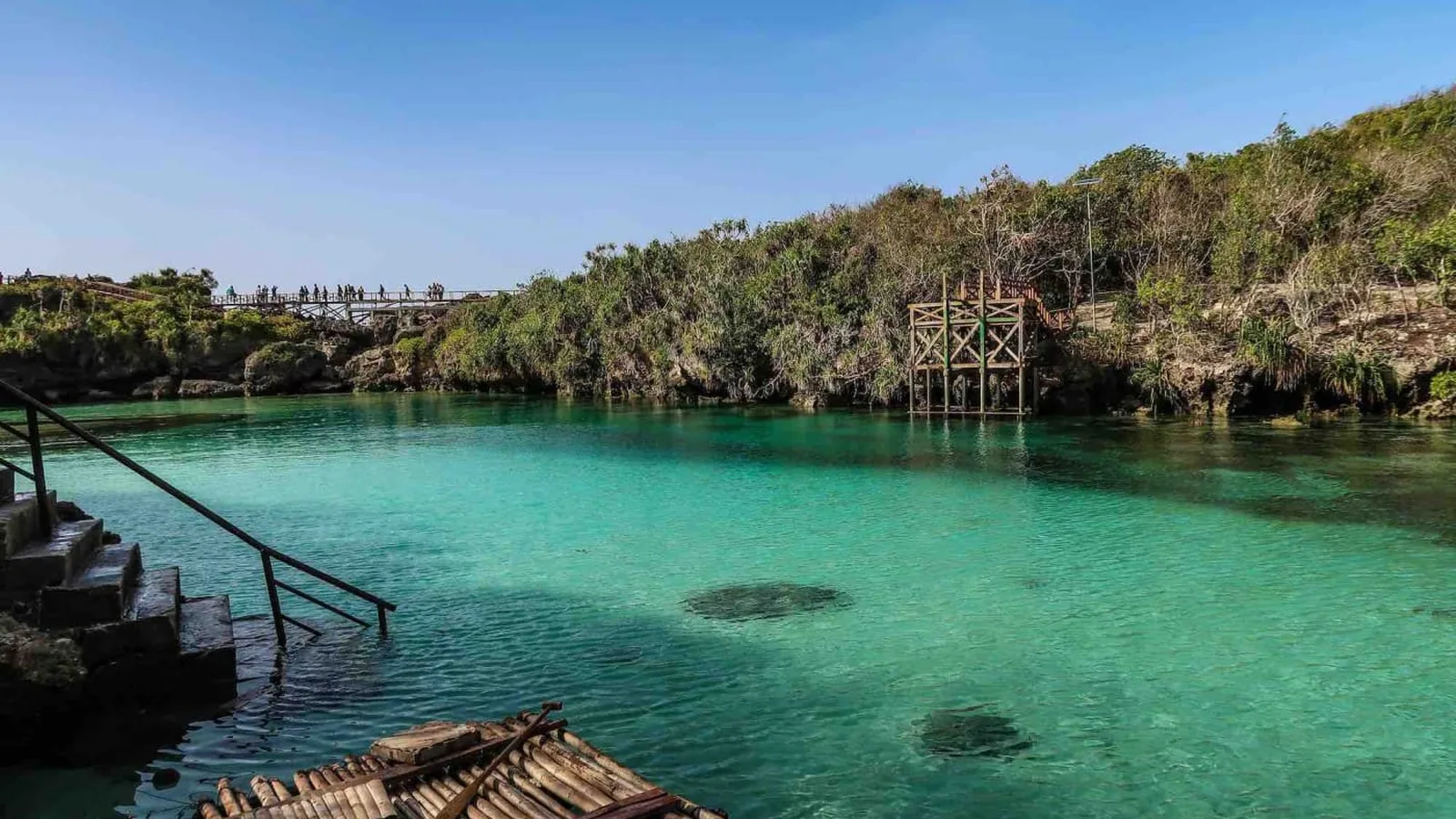
The quest for a sanctuary, a place where the rhythm of the waves dictates the day's pace, is an ancient one. For generations, the promise of sun-drenched beaches and warm, cerulean waters has drawn intrepid souls to distant horizons. Yet, what began as a romantic ideal has, for some, morphed into a complex calculus of investment, sustainability, and cultural integration. The tropical coastline, once merely a backdrop for escape, is now a stage where the compelling drama of development, preservation, and profit plays out.
I've spent the better part of fifteen years navigating these currents, from the bustling promenades of Phuket to the quiet coves of the Lesser Sunda Islands. I've witnessed the metamorphosis of sleepy fishing villages into sprawling resorts and, conversely, the poignant decline of once-thriving tourist hubs. The narrative of beachfront real estate here isn't a simple upward trajectory; it's a nuanced tale of regional disparities, regulatory whims, and the increasingly urgent calls of environmental stewardship.
The Allure and Its Limits
Walk any major city in Europe or North America, mention 'Southeast Asian beach,' and images of Bali's rice paddies, Thailand's karst formations, or the Philippines' pristine lagoons immediately spring to mind. These destinations, for better or worse, have become shorthand for tropical paradise. Their very fame, however, has become their Achilles' heel.
"Bali is a victim of its own success," explains Made Wijaya, an expat landscape designer who first arrived on the island in the 1970s. We're sitting in his studio in Kerobokan, surrounded by sketches of elaborate gardens. "The island's infrastructure was never designed for millions of tourists. Traffic is horrendous. Water management is a crisis. And frankly, the prices? They're absurd for what you get now in many areas." He pauses, taking a sip of strong Balinese coffee. "You used to buy a hectare for a song. Now, a small plot of freehold land in Canggu can fetch IDR 20 billion, sometimes more. That’s roughly US$1.3 million for land alone, before you even pour a single foundation. The returns are diminishing, and the headaches are mounting."
Made's sentiment is echoed by countless others who've watched the island transform. The prime beachfront in places like Seminyak or Uluwatu is largely taken, often by large hotel chains or wealthy individuals who snapped it up decades ago. What remains is either prohibitively expensive or comes with significant challenges, whether it's erosion, restricted access, or less-than-ideal zoning.
The Thai Riviera: A Different Shade of Sunset
Thailand, particularly its southern islands and Andaman Coast, presents a similar picture, albeit with its own unique complexities. Phuket, Koh Samui, and Krabi have long been magnets for foreign investment. "The market in Phuket has matured significantly," says Sarah Jenkins, a British property consultant based in Rawai for over 12 years. "You still see high-end villa developments, especially in areas like Kamala or Layan, but the days of exponential growth are largely behind us. Regulations have tightened considerably, particularly around land ownership for foreigners, which is almost exclusively leasehold." Leasehold in Thailand typically means a 30-year lease, renewable twice, totaling 90 years. While common, it does introduce a layer of complexity and perceived risk for some long-term investors.
"The challenge isn't just finding available land anymore. It's finding land with a sustainable future, both economically and environmentally. Everyone wants a piece of paradise, but nobody wants to be the last one left as the tide comes in." - Sarah Jenkins, Property Consultant, Phuket
Prices in prime Phuket beachfront locations easily soar into the THB 100-200 million range (US$2.7-5.5 million) for a desirable plot of land suitable for development. Even a modest, well-located villa can start at THB 20-30 million. The return on investment often hinges on short-term rental markets, which, while lucrative, are also susceptible to global tourism fluctuations and local regulatory changes.
Beyond the Familiar Horizons
So, if the established havens are experiencing growing pains, where does the savvy investor turn? The answer, increasingly, lies in the archipelago's less-trodden paths. It requires a willingness to look beyond the glossy brochures and embrace a certain pioneering spirit.
"The trick is to find places that have the fundamental ingredients – natural beauty, a welcoming local culture, some existing infrastructure – but haven't yet been discovered by the masses," explains Daniel Peterson, an American venture capitalist who divested from a Bali resort project five years ago. "You're looking for that sweet spot before the crowds, but after the true wilderness phase. It's about vision, patience, and a deep understanding of local laws, which can be arcane."
This pursuit led Daniel, and many others like him, to look east within Indonesia. Past Bali, past Lombok, to the islands of Nusa Tenggara. And one island, in particular, has begun to whisper promises.
The Unfolding Canvas of the East
It’s a place where ancient megalithic tombs dot rolling savannahs, where wild horses roam free, and where the rhythmic thud of the ancestral pasola spear throwing festival still commands respect. This isn’t a place you casually stumble upon. It requires intention. It requires a 90-minute flight from Bali to an airstrip that feels more like a country road. This is Sumba.
Sumba is an island roughly twice the size of Bali, yet its population is a fraction – around 800,000, compared to Bali's 4.4 million. For centuries, it remained largely isolated, preserving a unique animist culture known as Marapu. The island's beauty is raw, untamed. Think dramatic cliffs plunging into turquoise waters, vast stretches of white sand, and a sense of profound tranquility that has all but vanished from its more famous neighbors.
"I first came to Sumba almost two decades ago, chasing a surf break," says Ronald van der Straaten, a Dutch entrepreneur who now owns a small but exquisite eco-lodge on the island's southwest coast. "I found the waves, but I found so much more. The people. The culture. The sheer, untouched beauty. It was intoxicating. And I immediately saw the potential, but I knew it had to be developed differently." Ronald acquired his 2-hectare beachfront plot for just under US$100,000 in 2007. Today, similar plots, if you can find them, would easily command ten times that, sometimes more, depending on location and paperwork.
Why Sumba Now?
Several factors converge to make Sumba particularly compelling for discerning investors:
- Relative Undiscovery: While luxury retreats like Nihi Sumba have put the island on the ultra-high-net-worth map, mass tourism hasn't arrived. This means land prices, while appreciating rapidly, are still significantly lower than in Bali or Phuket. Prime beachfront land can still be found for IDR 1.5 billion to IDR 5 billion per hectare (US$100,000 - US$330,000), depending on location, access, and whether it's freehold (Hak Milik) or leasehold (Hak Guna Bangunan for Indonesians, or direct lease for foreigners).
- Government Focus: The Indonesian government has designated Sumba as one of its "Ten New Balis" – a strategic initiative to develop new tourism hubs. This includes commitments to infrastructure improvements, such as the expansion of Umbu Mehang Kunda Airport (WGP) in Waingapu and Tambolaka Airport (TMC) in Southwest Sumba, and improved road networks. There's also a strong push towards sustainable, high-value tourism.
- Sustainability Mandate: Unlike the often-unbridled development elsewhere, Sumba's emerging tourism sector is heavily influenced by a mandate for sustainability. The Sumba Iconic Island initiative, for example, aims for 100% renewable energy on the island. Businesses that align with these values are often favored.
- Authentic Culture: The Marapu culture offers a profound and unique experience, a stark contrast to the more commercialized cultural offerings of other destinations. This appeals to a growing segment of travelers seeking depth and authenticity.
Navigating the Labyrinth: Land Ownership and Regulations
Investing in beachfront property in Indonesia, particularly on evolving islands like Sumba, isn't without its intricacies. Foreigners cannot directly own freehold land (Hak Milik). The most common structures are:
- Leasehold (Hak Sewa): Foreigners can lease land for long periods, typically 25-30 years, with options to extend. This is the simplest and most common method.
- Right to Build (Hak Guna Bangunan - HGB): This right can be granted to an Indonesian company (PT PMA), which can be foreign-owned. HGB allows the company to construct and own buildings on the land for 30 years, extendable for another 20 years, and renewable for a further 30 years. This provides a secure, long-term tenure.
- Nominee Agreements: While historically prevalent, these are increasingly risky and legally unenforceable. Most reputable legal advisors strongly caution against them.
"The key is due diligence," advises Bapak Wayan, a local lawyer in Labuan Bajo who has handled numerous land transactions across Nusa Tenggara. "Don't rush. Understand the zoning. Check the land certificate (Sertifikat Tanah) thoroughly. Ensure the sellers have legitimate rights. And always, always use a reputable local notary (PPAT). The upfront cost of proper legal counsel is minuscule compared to the potential loss from a bad deal." He's seen fortunes both made and lost on a handshake and a poorly drafted contract.
The Rise of Eco-Conscious Development
This emphasis on responsible development is not just ethical; it's proving to be economically savvy. Projects that integrate local communities, protect natural ecosystems, and utilize sustainable practices are increasingly attracting impact investors and a discerning clientele willing to pay a premium.
One such example emerging on Sumba is Eco Beach City, a master-planned community aiming to blend luxury with sustainability. "Our vision for Eco Beach City is not simply about building villas," explains its CEO, Frederik Schmidt, a German-Indonesian developer. "It's about creating a self-sustaining ecosystem – literally. We're incorporating renewable energy, permaculture farming, wastewater recycling, and a significant portion of our profits are reinvested into local community development programs, such as schools and health clinics. We believe this is the future of high-end tourism and residential living." The project offers freehold residential plots starting from IDR 2.5 billion (US$165,000) for 1000m² and fully built villas from IDR 7.5 billion (US$500,000), a price point that still offers significant value compared to established markets.
This kind of development, while nascent, hints at a direction for beachfront investment across the region. It's moving away from pure exploitation and towards integration – cultural, ecological, and economic.
The Road Ahead: Challenges and Opportunities
Investing in these emerging markets isn't without its challenges. Infrastructure, while improving, can still be rudimentary. Connectivity, both physical and digital, can be a hurdle. The legal and bureaucratic processes require patience and expert local guidance.
However, the opportunities for significant capital appreciation, coupled with the chance to contribute to genuinely sustainable development, are compelling. The narrative of beachfront real estate in Southeast Asia is shifting. The era of easy, quick profits in saturated markets is waning. The new frontier demands foresight, a commitment to principles beyond mere financial gain, and a willingness to explore the magnificent, untamed corners of the archipelago.
The real prize isn't just a plot of land with an ocean view. It's the chance to be part of a new story, one where growth isn't measured solely in dollars, but in the preservation of culture, the health of an ecosystem, and the quiet satisfaction of building something truly meaningful. And for those with the vision, the shifting sands of Southeast Asia still hold profound promise.