Running in Sumba: a running week by the sea, one hour from Bali
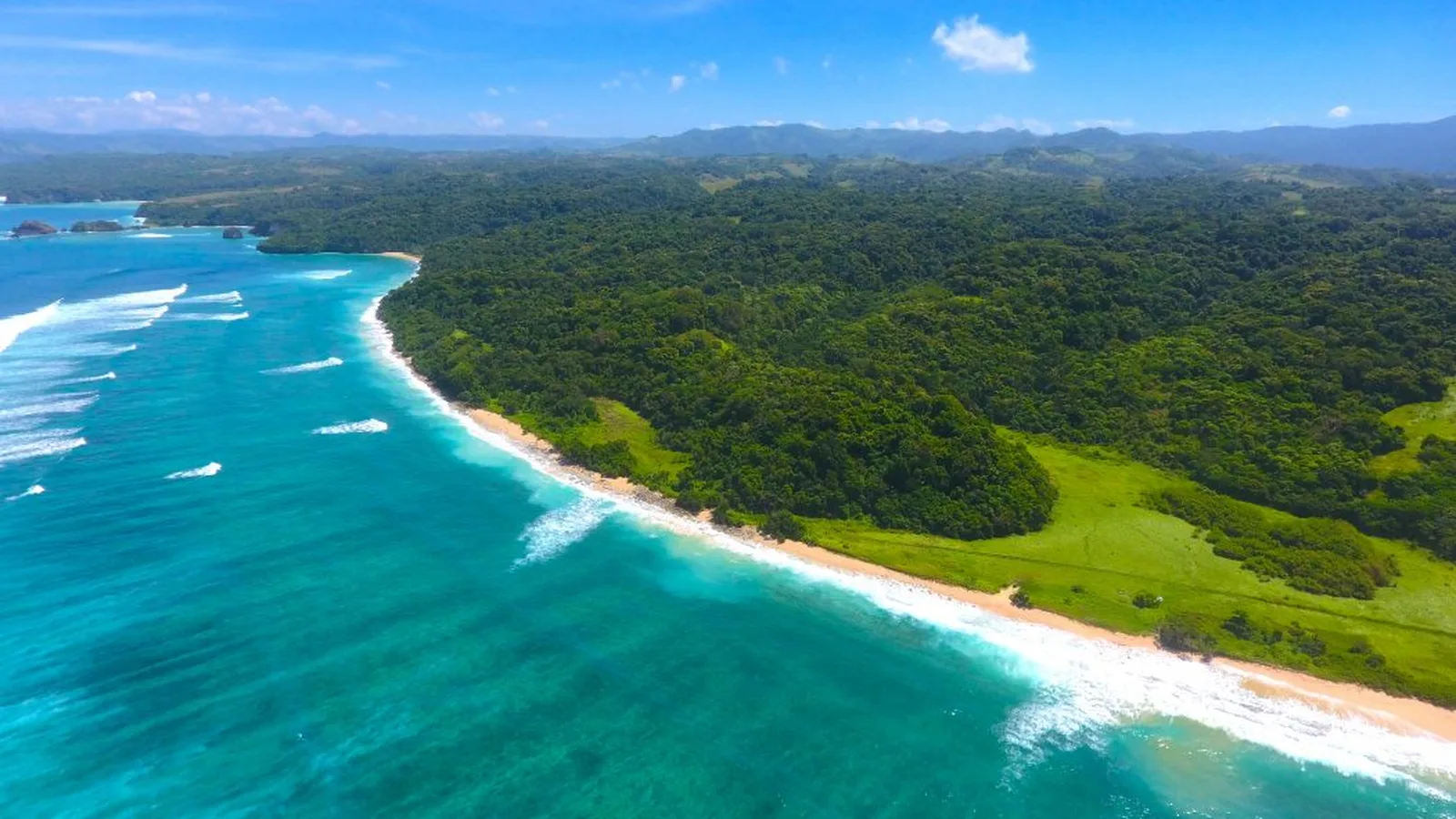
Most running trips go to the big city marathons: closed roads, crowds at every corner and a start pen with thousands of people. Sumba is the opposite idea. It is an island in eastern Indonesia, about one hour by plane from Bali, with open savannah hills, long beaches and very few people on the roads at sunrise.
This guide covers what running in Sumba is like, when to go, how to run safely in the heat, what to pack and how the Head of Running program works. Where something is not confirmed yet, we say so.
Why run in Sumba
Running needs very little: shoes, a route and time. In Sumba you run in warm weather all year, with the sea close by and almost no traffic early in the day.
The landscape is varied. Much of the island is rolling grassland and savannah, especially in the east, with greener hills and valleys in the west. Along the coast there are beaches, headlands and quiet village roads. That mix gives you options for easy runs, hill work and long, slow efforts.
What is already built at Eco Beach City
Eco Beach City is a community by the sea on Sumba, inside a private seafront residence with 2 km of beach. What is already built:
- 24 homes, where people already stay
- Padel and tennis courts, built and open
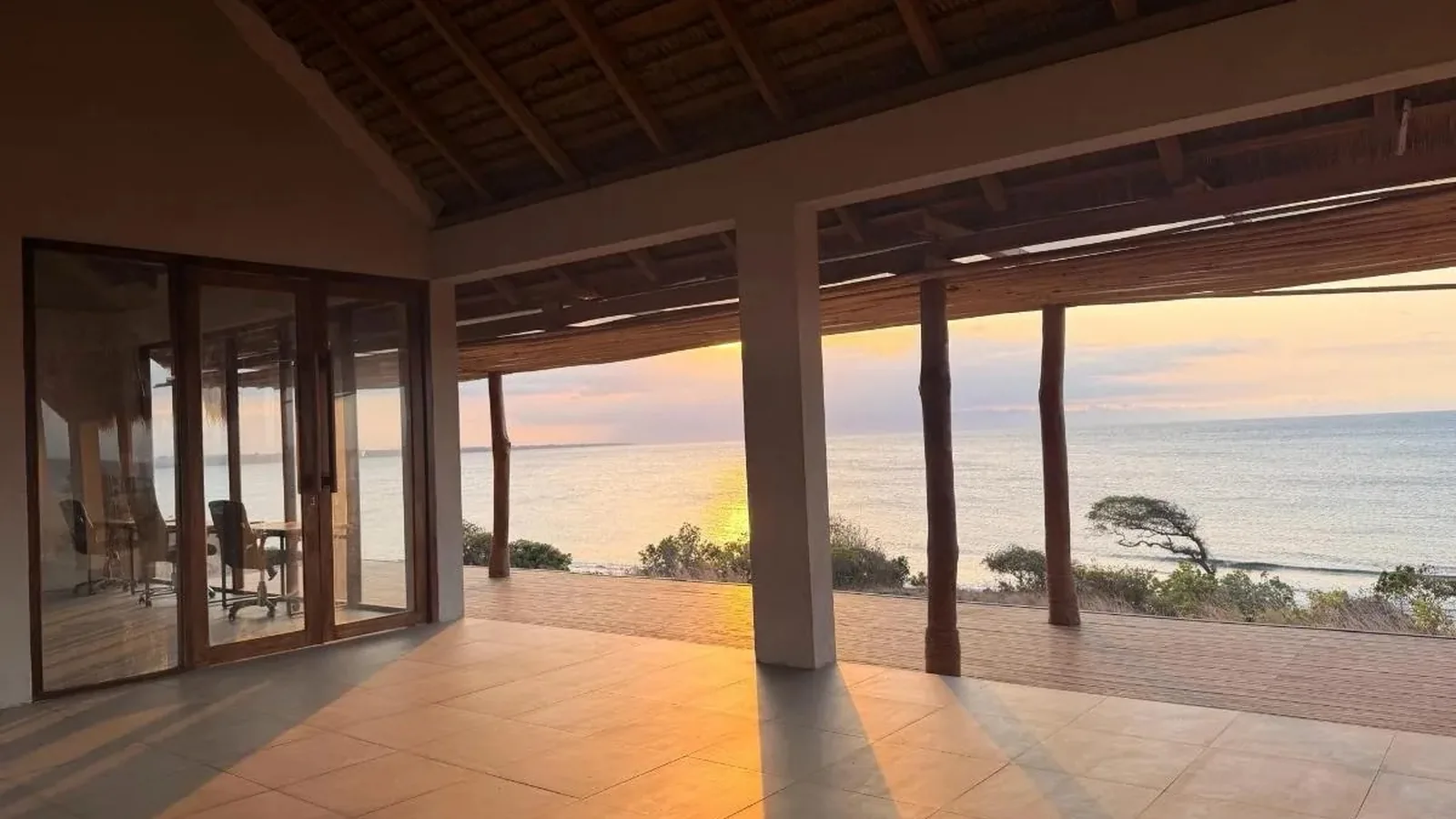
- A coworking by the ocean with Starlink internet
For a running week, that means a real base to sleep, recover and stay connected. There is no running track on site: the beach and the island are the training ground.
The Sumba Running Challenge
The Sumba Running Challenge is one of 26 experiences the community organises in Sumba. The format: races by distance and level, verified times and a ranking.
We do not publish distances, routes, coach names or a calendar here, because those are confirmed together with each date. Dates are published as each experience is confirmed, on the experience page. It is not a weekly event, and we would rather wait than guess. A Sumba Marathon is also planned, with the date to be announced.
When to go
Sumba is warm all year and has two broad seasons:
- Dry season, roughly April to October or November. Less rain, lower humidity and the easiest months for travel and outdoor sport.
- Rainy season, roughly December to March. Greener hills, more humidity and afternoon thunderstorms. Unpaved tracks can turn muddy and plans are less predictable.
For a running week, the dry months are usually the safest choice. The rains can start earlier in some years, so treat these months as a guide and check a forecast before you book.
Running in the heat
Heat and humidity raise your heart rate for the same pace and increase how much you sweat. A few habits help:
- Run early. The first hour after sunrise is the coolest and quietest time of the day. Late afternoon is the second best option
- Slow down. Expect your usual easy pace to feel harder for the first days. Run by effort, not by the watch
- Drink before you are thirsty, and replace salts as well as water after long runs
- Ease in. Give yourself a few days of shorter runs before any long effort or race
- Cover up. Cap, sunscreen, sunglasses and light, breathable clothing
- Stop if you feel dizzy, sick or confused, find shade and cool down
If you have a medical condition, speak with your doctor before a training trip to a hot climate. The free guide Sumba for athletes covers heat, hydration and recovery in more detail.
Running on sand and island roads
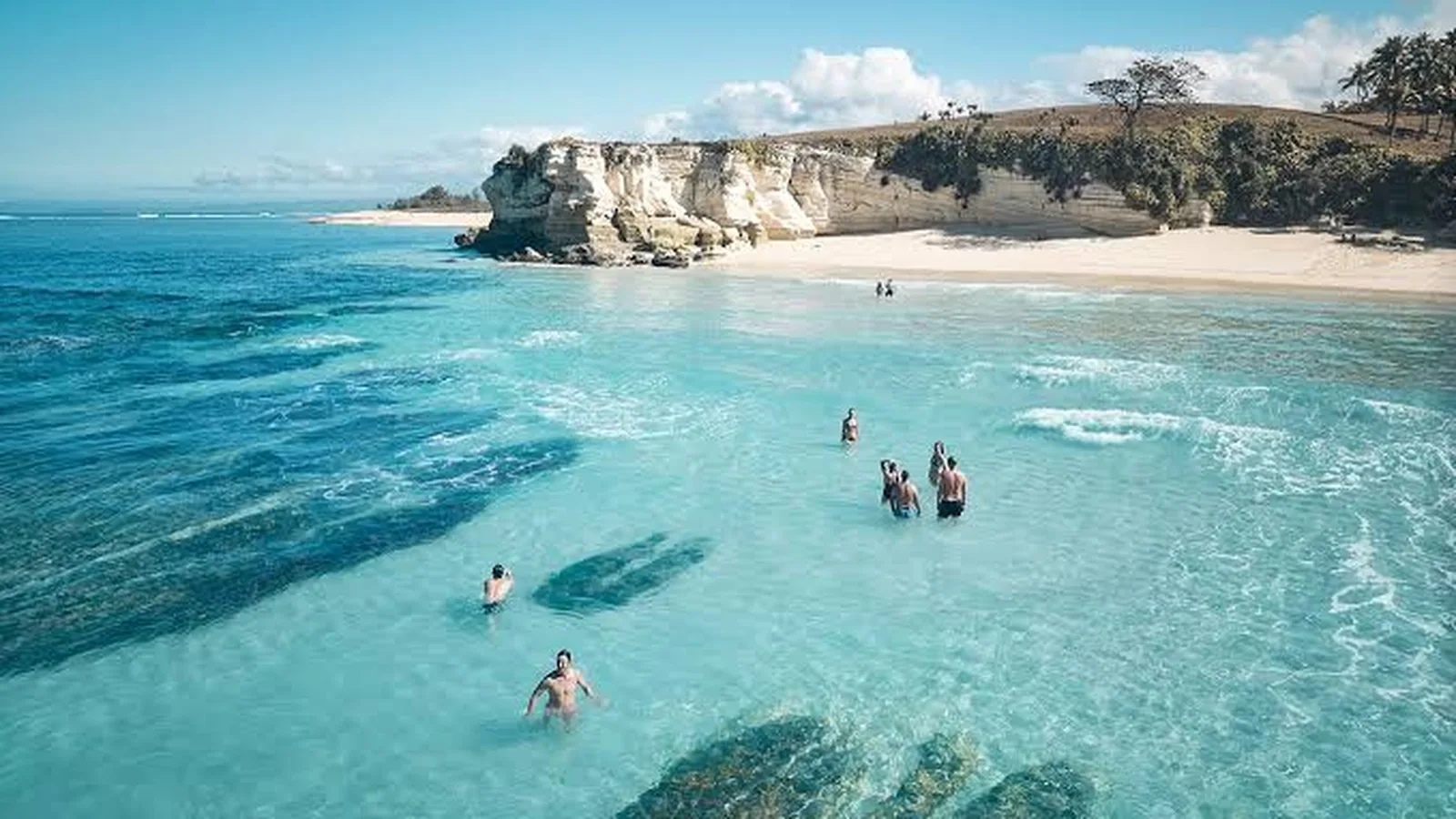
Sand running is a good way to build strength in the feet and legs, but it is harder on the calves and Achilles than a road. Start with short sessions on firm sand near the waterline and build up slowly. Keep barefoot running short at first.
Away from the beach, many routes are village roads and unpaved tracks. Run facing traffic, wear something bright, carry a phone and tell someone your route. Greet people you pass: in Sumba you are a guest in someone's village.
What to pack
Sumba has far fewer shops than Bali, and running gear can be hard to find. Bring what you depend on:
- Two pairs of running shoes, so one pair can dry. Trail shoes help on unpaved tracks
- Light, quick-dry clothing and several pairs of running socks
- A cap, sunglasses and sweat-proof sunscreen
- A hydration vest or handheld bottle and electrolyte tablets or powder
- Anti-chafe balm. Humidity makes chafing worse
- A small first-aid kit with blister care and anything you take regularly
- Travel insurance that covers sport and medical evacuation from remote areas
Bring some cash in rupiah, as small shops may not take cards.
Getting there
There are daily flights from Bali (Denpasar, DPS) to Tambolaka (TMC) in West Sumba, and the flight takes about one hour. Sumba also has Waingapu airport (WGP) in the east. Our how to get here page and the guide on how to get to Sumba from Bali have the practical details.
Off the road
A running week leaves time for the island. Many Sumbanese follow Marapu, a traditional belief centred on ancestors, and you will see it in traditional villages, high-roofed clan houses and megalithic stone tombs. Sumba is also known for ikat weaving. If you visit around February or March, you may catch Pasola, the ritual horseback festival usually held in West Sumba.
Visit villages with a local guide, ask before taking photos and dress modestly away from the beach.
The Head of Running program
Eco Beach City has a Head of program for each discipline, and running is one of them. The Head of Running is the link between Sumba and the runners of one country: clubs, running groups, coaches and anyone who wants a race unlike any other.
How it works, in short:
- One person per country and discipline can be Head of. There is one Head of Running per country, and only one
- 50% of the profit, after costs, of each running experience booked by people from their country goes to that Head
- Stays are available when there is availability
If you lead a running club, coach athletes or know many runners who would enjoy a week by the sea, the page explains the details. You can also see every discipline on the Head of page.
FAQ
Is Sumba good for running?
Yes, for runners who like quiet roads, hills and beaches. Early mornings are the best time to run.
When is the next Sumba Running Challenge?
There is no date yet. Dates are published as each experience is confirmed, on the Sumba Running Challenge page.
What level do I need?
The challenge has races by distance and level, so it is designed for more than one kind of runner. Distances and format are confirmed together with each date.
What is the best time of year to run in Sumba?
The dry season, roughly April to October or November, is usually the easiest time to travel and train outdoors.
Next step
If a running week by the sea sounds right for you, keep an eye on the Sumba Running Challenge page and browse all experiences. If you want to bring the runners of your country, read the Head of Running page. To take part in the community, see the membership.