Remote Work from Sumba: Beachfront Coworking and Starlink
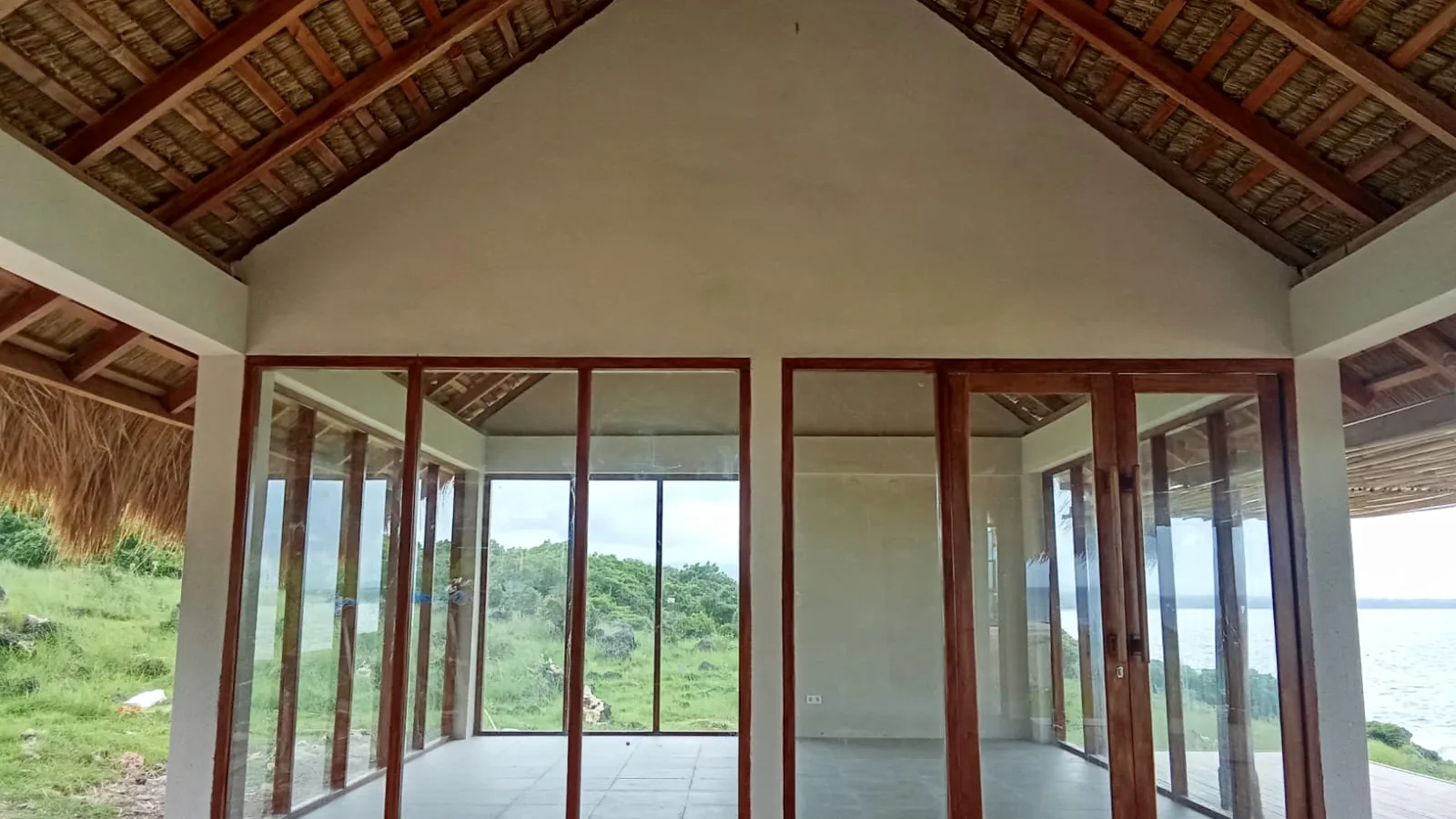
Yes, you can work remotely from Sumba. At Eco Beach City there is a beachfront coworking space with Starlink internet, with speeds of 200+ Mbps reported, and the island runs on Central Indonesia Time (WITA, UTC+8), the same as Bali. The practical questions are your time zone overlap with your team, your daily routine, and whether your visa allows remote work.
This guide covers each of those, with links to official sources where the rules can change.
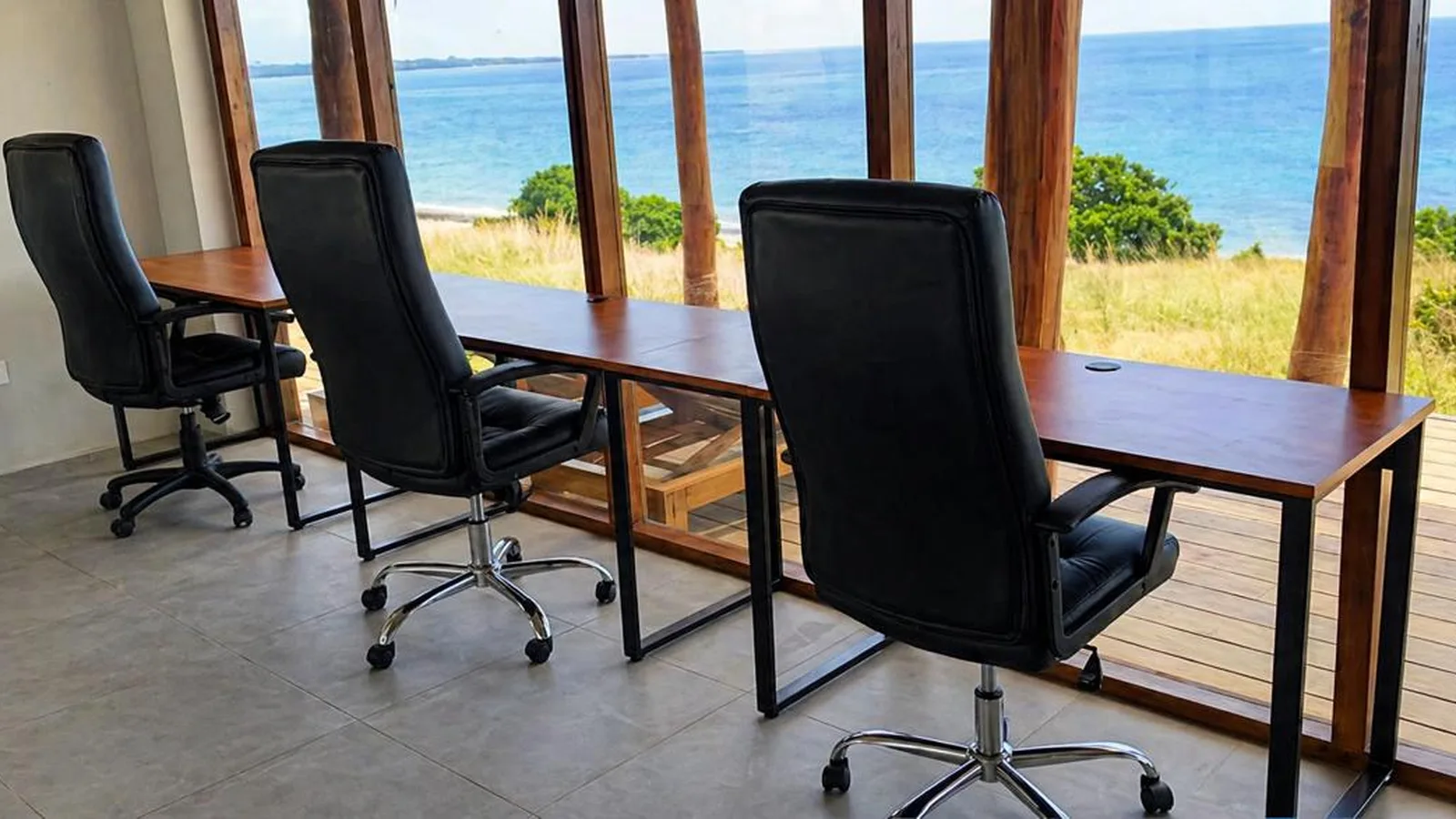
The workspace: beachfront coworking with Starlink
Eco Beach City is a beachfront community on Sumba Island, East Nusa Tenggara, inside a private seafront residence with 2 km of beach. It has a coworking space that is open today.
What it offers:
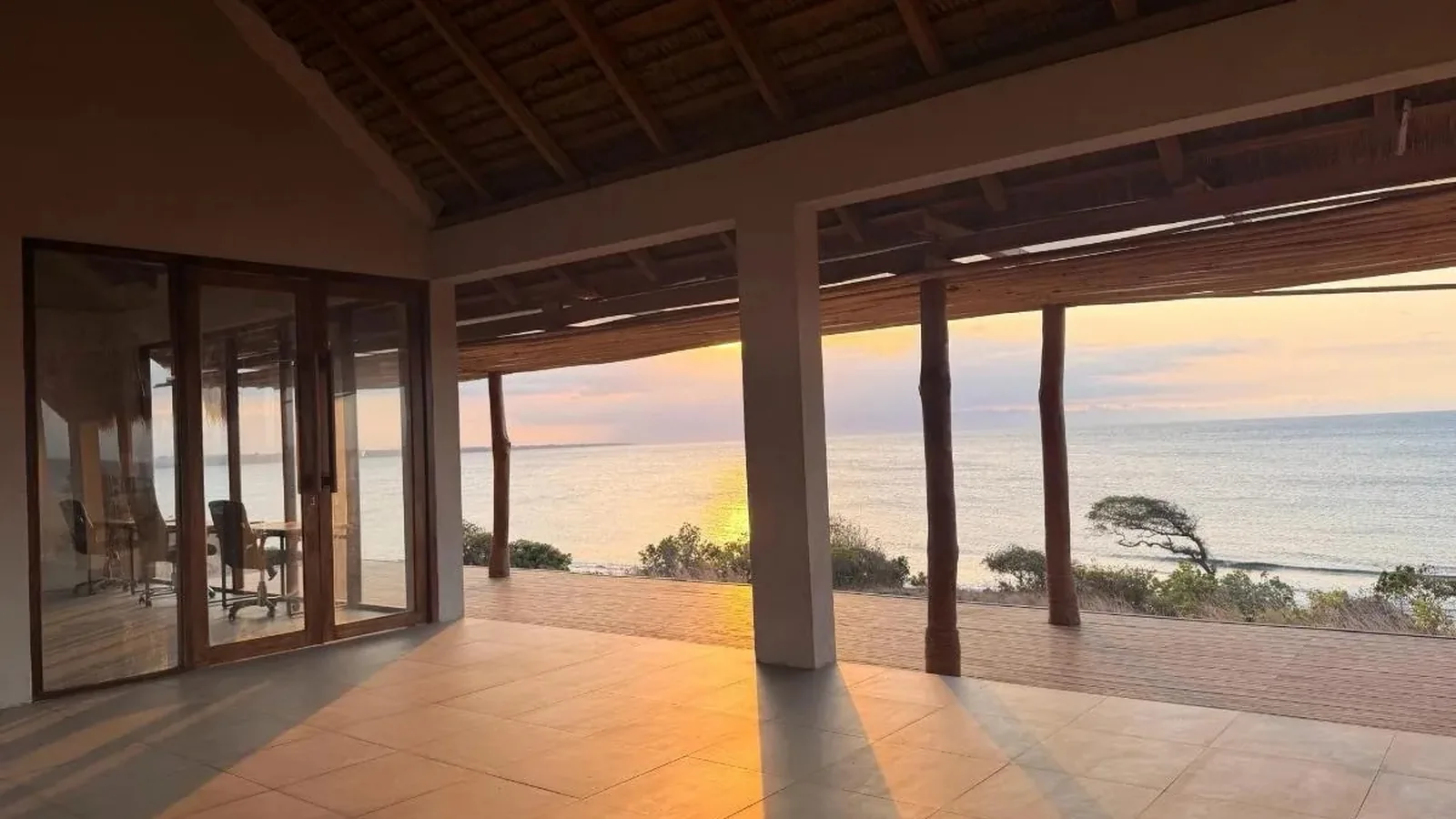
- A beachfront coworking pavilion with glass doors.
- Starlink satellite internet, with 200+ Mbps reported.
- Other people working nearby, which matters more than it sounds if you have been working alone from a kitchen table.
Speeds on any connection vary with weather, load and time of day, so treat 200+ Mbps as a reported figure, not a promise. If your job depends on a connection every hour of the day, it is sensible to carry a backup, such as a local mobile data plan, and to test the connection on your first day before booking critical calls.
Time zone: WITA, UTC+8
Sumba is in East Nusa Tenggara, which uses Central Indonesia Time (WITA), UTC+8, the same zone as Bali. Indonesia does not use daylight saving time, so the clock in Sumba never changes during the year.
What that means for common team locations:
- Singapore, Hong Kong, Perth: same time.
- Sydney: Sumba is 2 hours behind during Australian standard time, and 3 hours behind during Australian daylight saving.
- Central Europe (Madrid, Berlin, Paris): Sumba is 7 hours ahead in European winter and 6 hours ahead in European summer.
- UK: 8 hours ahead in winter, 7 in summer.
- US East Coast: 13 hours ahead in winter, 12 in summer.
If you work with Europe, your morning in Sumba is quiet focus time, and your colleagues come online in your afternoon. With the Americas, overlap is usually early morning or late evening in Sumba, so plan your routine around a few fixed call windows.
A routine that works on an island
A remote-work routine in Sumba depends on your team's hours, but the structure of the place makes some patterns easy:
- Morning: deep work at the coworking while it is cooler and your colleagues in Europe or the Americas are asleep or offline.
- Midday: a break, a swim or lunch.
- Afternoon: calls with teams further west.
- After work: a game on the padel or tennis courts by the sea.
Padel is a good fit for a remote-work community: games are short, doubles mean four people at once, and it is easy for newcomers to join. That kind of regular, low-effort contact is part of why we think shared spaces matter, a topic we cover in loneliness and community living by the sea.
Visas: what to check before you go
Visa rules change, and this section is not legal advice. Always confirm the current rules with Indonesia's Directorate General of Immigration (imigrasi.go.id) or an Indonesian embassy before you travel.
The E33G remote worker visa
Indonesia offers a remote worker permit known as the E33G. According to a guide from the visa agency Emerhub, the main conditions are:
- Duration: one year.
- Income: at least USD 60,000 a year from sources outside Indonesia.
- Employer: an employment contract with a company registered outside Indonesia.
- Local work: you cannot work for, or be paid by, an Indonesian company or client.
- Other documents: a passport valid for at least six months, a bank balance requirement, and health insurance.
The same guide notes that freelancers' eligibility has not been clearly settled, and that holding an E33G does not automatically make you tax-free: Indonesia taxes residents, and residency can be triggered by staying more than 183 days in twelve months. If you plan to spend long periods in Sumba, speak to a tax adviser in your home country and in Indonesia.
Shorter stays
If you are coming for a short period, a tourist entry may be enough for visiting, but tourist status is generally not meant for working. Check which permit fits what you will actually do, on official sources, before you book.
Getting there and settling in
Most people reach Sumba via Bali: there are daily flights from Denpasar (DPS) to Tambolaka (TMC), about one hour, with morning departures around 9:00. Sumba also has Waingapu airport (WGP) in the east. Our guide on how to get to Sumba from Bali and the How to get here page cover the details.
A few practical notes:
- Bring adapters and a power bank, as you would anywhere you are not sure of the setup.
- Download what you need offline before long flights or trips around the island.
- Plan time off the laptop. Sumba's culture, from the Marapu belief to ikat weaving and the Pasola festival, usually held in February or March in West Sumba, is worth seeing. Our guide to living in Sumba has more.
Ways to base yourself at Eco Beach City
There are three ways in:
- Community membership: €1,500 or 10 × €150 interest free. Stay 1 to 6 weeks every year (one week guaranteed, more when there is space), with two member cards, member talks, dinners and events, and a yearly retreat. Flights and meals are not included, and it is not property.
- Beach Cabin: €36,500 with furniture included, up to 10 instalments at 0%.
- Villa: €295,000, three en-suite bedrooms and a private infinity pool, up to 10 instalments at 0%.
Before committing, you can walk the town in 3D in LiveIt and see where the coworking sits.
FAQ
How fast is the internet at Eco Beach City?
The coworking uses Starlink, with speeds of 200+ Mbps reported. Speeds can vary, so a mobile data backup is sensible for critical work.
What time zone is Sumba in?
Central Indonesia Time (WITA), UTC+8, the same as Bali. Indonesia does not use daylight saving time.
Can I work in Indonesia on a tourist visa?
Tourist status is generally not meant for work. Check the current rules with Indonesia's Directorate General of Immigration before you travel.
What is the E33G visa?
It is Indonesia's one-year remote worker permit. According to Emerhub, it requires at least USD 60,000 a year in income from outside Indonesia and an employer registered abroad. Confirm the details on official sources.
Is there anything to do after work?
Yes. There are padel and tennis courts by the sea, and members have talks, dinners and events.
Next step
If a desk by the sea, a reliable routine and a game of padel after work sound like a better working year, start with community membership. It gives you weeks every year at Eco Beach City without buying anything, and you can try the coworking for yourself before deciding whether a home of your own makes sense.