Tourism That Builds Instead of Breaking
The Bali Warning
In 2019, Bali generated $5.6 billion in tourism revenue. In 2025, its water table dropped 40%. Rice terraces — the very thing tourists came to photograph — began dying.
Tourism ate the thing it loved.
This isn't a Bali problem. It's a structural flaw in how we've built tourism economies for fifty years. Extract beauty, monetize it, destroy it, move on.
But something different is happening in the quieter corners of Indonesia. A model that doesn't just avoid destruction — it actively creates value. Environmental, social, and financial.
They call it regenerative tourism. I call it the future of real estate.
The most valuable property in 2030 won't be the one with the best view. It'll be the one that's improving the view.
What Regenerative Actually Means
Not "sustainable." Sustainable means maintaining what exists. Regenerative means making it better.
In practice:
- Coral restoration programs that increase marine biodiversity — and snorkeling value — by 300%
- Reforestation that creates carbon credits worth €15-25 per tree annually
- Water management systems that improve the water table for surrounding communities
- Local employment that keeps money circulating in the community, not leaking to foreign hotel chains
The Financial Case
Properties in regenerative communities appreciate faster. Why?
- Environmental assets increase over time (more trees, more coral, cleaner water)
- Community stability reduces crime and increases desirability
- Media coverage — regenerative projects attract prestigious press, driving demand
- Government support — Indonesia offers tax incentives for sustainable development
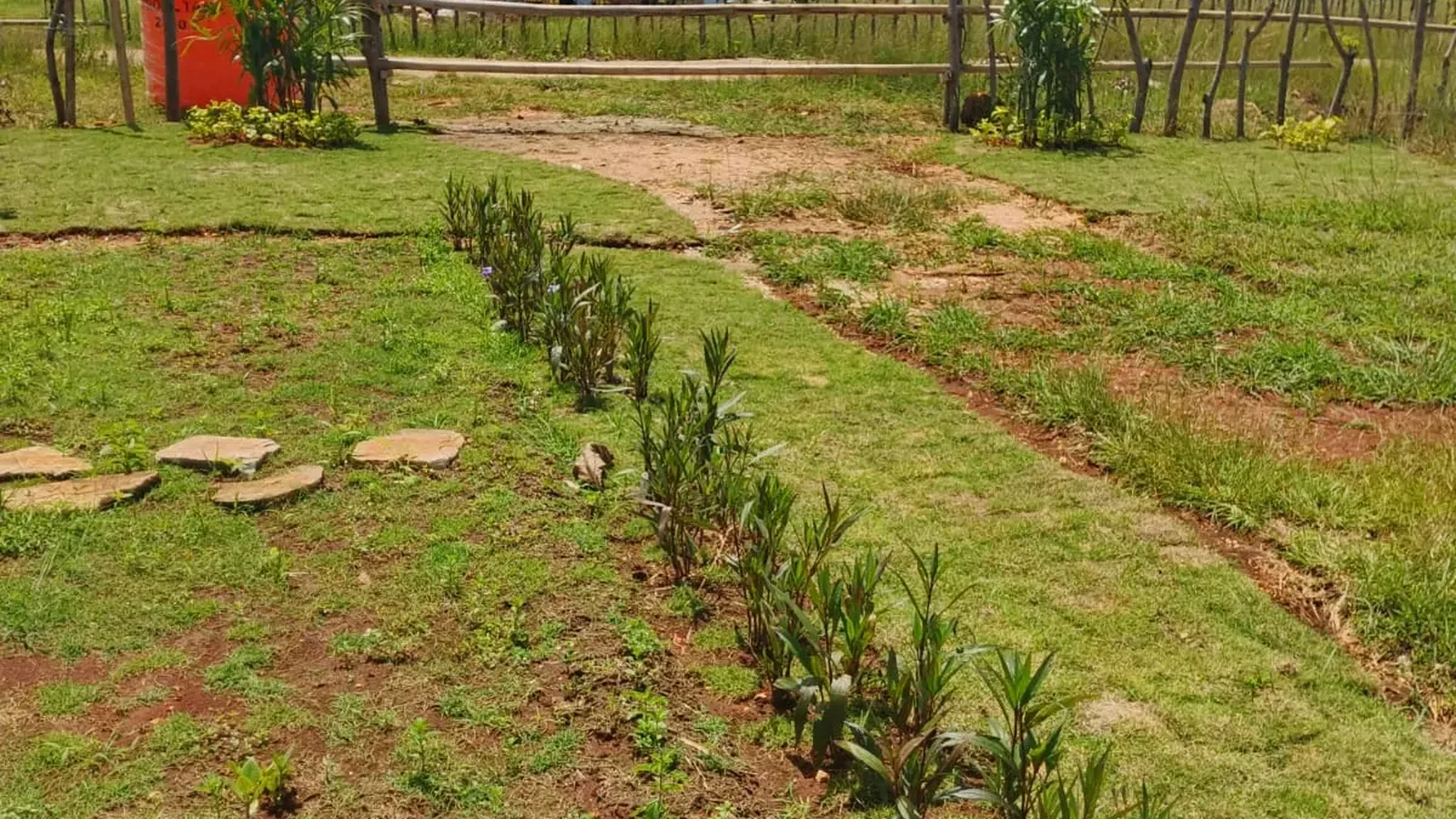
On Sumba, Eco Beach City is planting new gardens across the site and builds with a local Sumbanese team. The aim: a development that gets more beautiful — and more valuable — every year.
The Old Model vs. The New
| Factor | Extractive Tourism | Regenerative Tourism |
|---|---|---|
| Environment | Degrades over time | Improves over time |
| Property value | Peaks then declines | Compounds annually |
| Community | Exploited | Empowered |
| Investor returns | Front-loaded | Long-term compounding |
Why This Matters For Your Portfolio
If you're investing in real estate for the next decade, you need to understand one thing: properties that damage their environment will depreciate. Properties that regenerate their environment will compound.
This isn't idealism. It's economics. The market is already pricing in environmental risk. Properties in degraded areas are selling at discounts. Properties in regenerative communities are commanding premiums.
The smartest money in real estate isn't chasing the highest rental yield. It's building the environment that creates permanent demand.
And permanent demand is the only real wealth there is.