Beyond the Brochure: The Real Economics of Asia’s Island Rentals
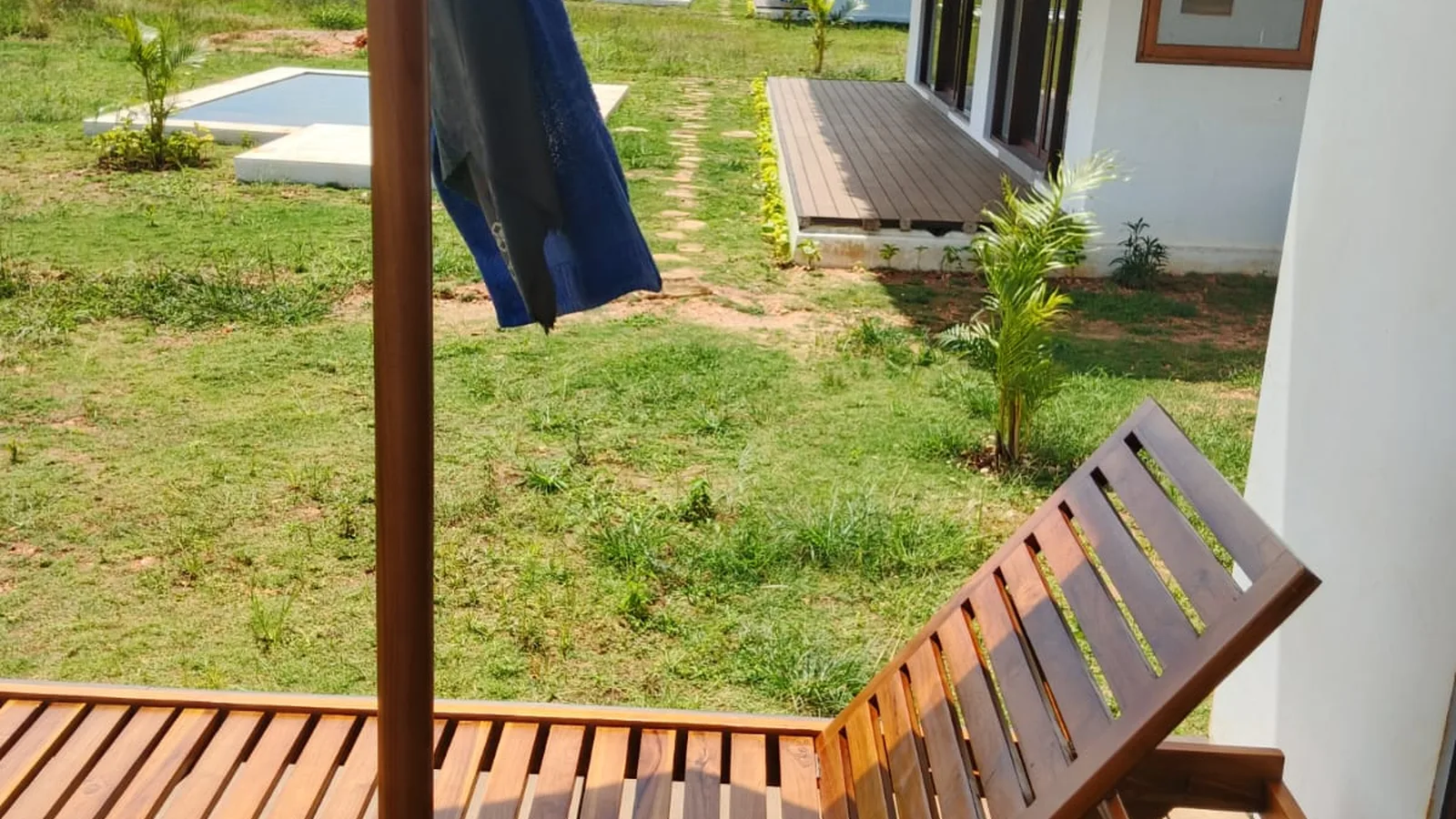
The dream, it always starts there, doesn't it? The rustle of palm fronds, the distant murmur of the ocean, a cool drink in hand, and the quiet satisfaction of knowing an asset is working for you, effortlessly generating income while you live your best life. It's a potent fantasy, one that has lured countless hopeful investors to the shores of Southeast Asia, convinced that a slice of paradise automatically translates into a passive revenue stream. And for many, it quickly becomes just that: a fantasy. A beautiful, expensive, and ultimately draining fantasy.
But for a discerning few, those willing to look beyond the surface, to understand the intricate dance of local custom, global economics, and genuine scarcity, the dream isn't just real; it's profoundly lucrative. The question isn't if passive income from tropical rentals is possible, but where, how, and crucially, for whom.
The Illusion of Easy Returns: Why Many Fail
Walk into any real estate office in a popular Southeast Asian tourist destination, and you'll be met with dazzling projections. "Guaranteed 10% rental yield!" they'll exclaim, pointing to flashy renderings of infinity pools and pristine beaches. The reality, more often than not, is far more sobering. I've witnessed firsthand the disillusionment of investors who bought into the hype, only to find their idyllic villa sitting empty for weeks, maintenance costs spiraling, and local regulations proving far more opaque than anticipated.
The Common Pitfalls:
- Oversaturation: Take, for instance, certain parts of Bali. Beautiful, undeniably. But with an estimated 6,000 active villas listed on Airbnb in Canggu alone as of early 2023, the competition is brutal. Occupancy rates plummet, and daily rates are in a race to the bottom. What was once novel becomes commonplace.
- Marketing Myopia: Many assume a beautiful property markets itself. It doesn't. Effective digital marketing, professional photography, robust channel management, and a compelling brand story are non-negotiable. Without these, your stunning five-bedroom villa is just another pin on a crowded map.
- Underestimated Operating Costs: Beyond property management fees (typically 15-25% of gross revenue), there are utilities, internet, staff salaries (housekeeping, gardener, security), pool maintenance, pest control, and unexpected repairs. A leaky roof after a monsoon isn't a minor inconvenience; it's an immediate, often expensive, problem.
- Regulatory Ambiguity: Foreign ownership laws, rental licenses, visa requirements for staff – these are complex, constantly evolving, and vary wildly even within the same country. What's legal today might require a new permit tomorrow. Navigating this without expert local counsel is a recipe for headaches and potential losses.
"The true cost of a 'good deal' in paradise is almost always higher than the sticker price, both in rupiah and in stress."
I often tell aspiring investors: if it sounds too good to be true, it probably is. The real opportunity lies not in chasing the latest trend in an already saturated market, but in identifying the next market, or better yet, the underserved niche within an emerging one.
The Unwritten Rules of Real Wealth Generation
The most successful tropical rental investors I know operate with a different playbook. They don't just buy a property; they invest in a system, a strategy, and a future vision. It's less about the 'get rich quick' scheme and more about 'build sustainable wealth slowly and intelligently'.
Rule 1: Scarcity is the Ultimate Luxury
In real estate, scarcity drives value. Not just scarcity of land, but scarcity of experiences, of authenticity, of undeveloped beauty. When everyone is building a modern minimalist villa with an infinity pool, the real value emerges in properties that offer something genuinely different, something harder to replicate.
Rule 2: Understand the Micro-Market, Not Just the Macro-Region
Southeast Asia is not a monolith. The dynamics of Phuket are vastly different from those of Lombok, which are in turn different from those of Phu Quoc or Palawan. Even within a single island, a 5-kilometer difference can mean a completely different demographic, price point, and regulatory environment. Due diligence at the hyper-local level is paramount.
Rule 3: Invest in Infrastructure (or its Absence)
Good roads, reliable internet, clean water, consistent electricity – these are often taken for granted in developed nations. In emerging island destinations, their presence (or lack thereof) profoundly impacts comfort, cost of living, and ultimately, rental appeal. A remote, stunning beachfront parcel might seem like a steal until you factor in the 600,000 IDR (approx. $40 USD) daily cost of trucking in clean water or the 3,000,000 IDR ($200 USD) monthly diesel bill for a generator.
Rule 4: Culture, Community, and Collaboration
Ignoring local customs or failing to integrate with the community is a catastrophic error. Your staff, your neighbors, the local authorities – these relationships are the bedrock of successful operations. A genuine interest in local culture, respectful engagement, and fair treatment of employees pays dividends that no marketing budget can buy. It's about being a good neighbor, not just a foreign landlord.
Sumba: The Unfolding Frontier of Conscious Investment
For years, I've watched the cycles of development across Southeast Asia. The mass tourism, the overbuilding, the eventual decline in natural beauty and authentic charm. But then there are places where the story is still being written, where the promise of sustainable growth and genuine connection still holds sway. One such place, which has quietly captivated a specialized cohort of investors, is Sumba.
Why Sumba? A Counter-Narrative to the Crowds
Sumba is not Bali. It's not trying to be. This Indonesian island, roughly twice the size of Bali but with a population a tenth of its size, offers a stark contrast to its bustling neighbor. Its allure lies in its rugged, untamed beauty: rolling savannahs, dramatic limestone cliffs, pristine white-sand beaches, and a vibrant, animist culture centered around megalithic tombs and ancestral reverence.
- Undeniable Scarcity: Large, beachfront parcels remain available at prices that are a fraction of what you'd pay in established markets. Imagine acquiring a hectare (10,000 sqm) of beachfront land for 1,500,000,000 IDR (approx. $100,000 USD), a figure almost unthinkable in Bali's prime areas. This value proposition is a significant draw for those looking for long-term capital appreciation.
- Emerging Infrastructure: Sumba is on the cusp. The government's focus on eastern Indonesia, coupled with private investment, is slowly improving its infrastructure. The expansion of Umbu Mehang Kunda Airport (WGP) is making access easier. While still rudimentary in parts, this stage of development presents an opportunity to invest ahead of the curve, before prices fully reflect future improvements.
- Conscious Tourism Focus: The island is attracting a different kind of visitor and investor. Think luxury eco-resorts like Nihi Sumba, which has garnered international acclaim for its sustainable practices and deep community engagement. This sets a precedent for high-value, low-impact tourism. The average daily rate (ADR) for high-end properties here can exceed $1,500 USD, attracting a clientele that values exclusivity and responsible travel.
- Cultural Preservation: Unlike many destinations where rapid development erodes local culture, Sumba's strong traditional beliefs and practices have, to date, provided a natural buffer. Investors who approach Sumba with respect for its Marapu culture often find themselves welcomed and supported.
The Numbers Game: Sumba vs. Established Markets
Let's consider a hypothetical investment. In Canggu, Bali, a well-located, three-bedroom villa might cost 5,000,000,000 IDR ($330,000 USD) to purchase or build. With an average occupancy rate of 60% and a conservative daily rate of 3,000,000 IDR ($200 USD), annual gross revenue would be around 657,000,000 IDR ($43,800 USD). After 20% property management fees, 10% operational costs, and 10% for maintenance/reserves (conservative estimates), net income might be 394,200,000 IDR ($26,280 USD), yielding a 7.9% return on investment before land lease costs or depreciation.
Now, imagine a high-end, three-bedroom eco-villa in a prime Sumba location. The build cost might be higher due to logistics, say 3,500,000,000 IDR ($230,000 USD), but the land lease (or freehold, if available to a local entity) could be significantly less. Crucially, the target market allows for a much higher average daily rate. With an ADR of 7,500,000 IDR ($500 USD) and a more modest occupancy rate of 45% (due to exclusivity and seasonality), annual gross revenue could still reach 1,230,000,000 IDR ($82,000 USD). Even with higher operational complexities (perhaps 25% for management, 15% for ops, 10% for maintenance), the net income could be 615,000,000 IDR ($41,000 USD), pushing the ROI to a compelling 11.7%.
These are illustrative figures, of course, but they highlight the potential for higher yields on a lower initial capital outlay in markets like Sumba, provided the right strategy, design, and management are in place.
The Rise of Conscious Development: A New Model
The conversation around Sumba often includes initiatives like Eco Beach City, a concept that embodies this shift towards conscious development. It's not about sprawling resorts or concrete jungles; it's about integrating sustainable practices, respecting the local environment, and creating symbiotic relationships with the community. Projects like these, when executed with genuine intent, offer a blueprint for development that enhances rather than detracts from the natural and cultural landscape.
Such ventures appeal to a growing demographic of travelers seeking more than just a pool and a beach – they want an experience that aligns with their values. This niche is willing to pay a premium for authenticity, sustainability, and responsible luxury. Investing in properties within or adjacent to such frameworks can provide a distinct competitive advantage.
Key Considerations for Sumba Investment:
- Logistics & Supply Chain: Everything takes longer and costs more. Plan for significant lead times for construction materials and anticipate higher operational costs for consumables.
- Local Partnerships: Find a trusted local partner. This is non-negotiable for navigating land tenure, building permits, and community relations.
- Self-Sufficiency: Consider incorporating rainwater harvesting, solar power, and organic farming. Not only does this reduce reliance on nascent infrastructure, but it also enhances your property's eco-credentials and appeal.
- Staff Training & Development: Invest in your local team. Provide training in hospitality, English language skills, and sustainable practices. This empowers the community and ensures high service standards.
Beyond the Horizon: What the Future Holds
The narrative of tropical rental investment in Southeast Asia is evolving. The days of simply buying a pretty villa and expecting effortless returns are fading. The future belongs to those who understand the deeper currents: the finite nature of pristine environments, the increasing demand for authentic experiences, and the imperative of sustainable development.
For the discerning investor, places like Sumba represent a frontier, not just of real estate, but of a more thoughtful, impactful way of investing. It's a long game, one that requires patience, respect, and a willingness to engage deeply with the place and its people. But for those who play it right, the rewards extend far beyond financial returns; they include the satisfaction of being part of something truly special, something that enriches the land and its community, while quietly, elegantly, generating substantial passive income.
This isn't about escaping to paradise; it's about building it, responsibly, one investment at a time. And in doing so, redefining what 'passive income' truly means in a world hungry for purpose as much as profit.