The Glass Court Revolution: Padel's Unstoppable Ascent
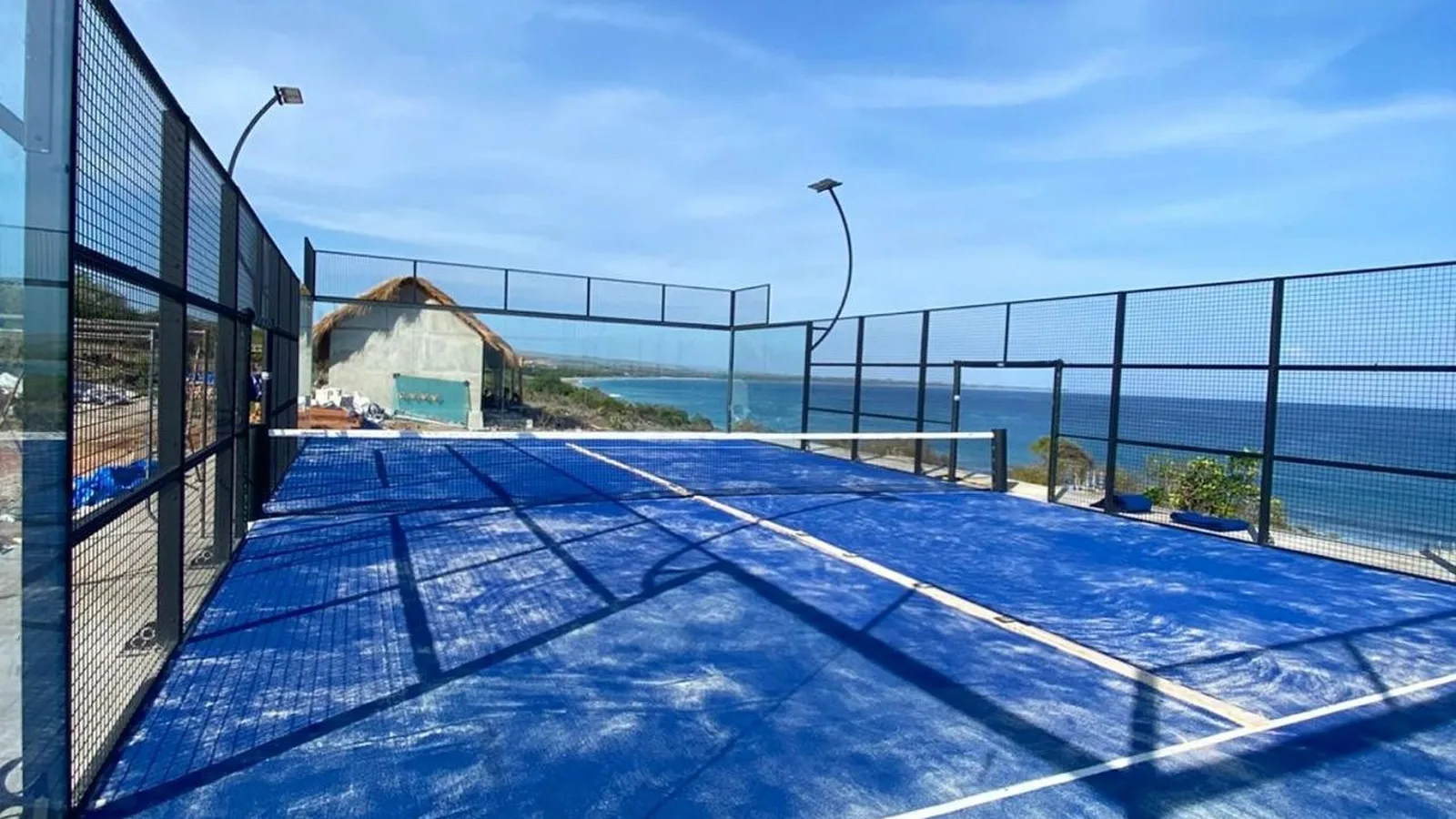
The Glass Court Revolution: A Universal Craving for Connection
We live in an era of hyper-individualism, driven by algorithms that curate our feeds and remote work that sometimes isolates us more than it connects. Yet, beneath the surface of digital interaction, a primal human need persists: the desire for shared, tangible experience. For camaraderie, for a healthy challenge, for a reason to put down the phone and engage, sweat, and laugh with others. It's this universal craving that has fueled the unexpected rise of a sport that, just a decade ago, was largely confined to Spain and parts of Latin America.
I’ve watched trends come and go across Southeast Asia for fifteen years – from boutique coffee movements to co-working explosions. But none have moved with the velocity and sheer ubiquity of padel. It’s not just a sport; it’s a social catalyst, an accessible fitness solution, and, increasingly, a serious investment opportunity.
What is Padel, Anyway?
Imagine tennis, but played on a smaller court (10m x 20m) enclosed by glass walls and wire mesh. The ball can be played off these walls, adding a strategic, almost billiard-like dimension. You always play doubles. The racquets are solid, stringless, and perforated, making them easier to control than a tennis racquet. The serve is underhand. The result? A game that’s incredibly easy to pick up, intensely engaging, and far less physically demanding on the joints than tennis, yet still provides a fantastic workout.
This accessibility is its superpower. You don't need years of training to enjoy a rally. A beginner can be having fun within minutes. This lowers the barrier to entry significantly, making it attractive to a much broader demographic than traditional racquet sports.
The Numbers Don't Lie: A Statistical Phenomenon
The growth figures for padel are nothing short of astounding. While precise global numbers are hard to pin down given its rapid expansion, conservative estimates paint a clear picture:
- Global Player Base: Over 25 million players worldwide, a staggering increase from an estimated 8-10 million just five years ago. Spain alone boasts over 6 million players, surpassing tennis in participation.
- Court Construction: Over 40,000 padel courts globally, with thousands more being built annually. The World Padel Tour (WPT) data indicates over 6,000 new courts were added in 2022 alone.
- Market Value: The global padel market was valued at approximately $250 million in 2022 and is projected to reach over $600 million by 2030, growing at a CAGR of over 10%.
- Investment: Major private equity funds and sports conglomerates are pouring capital into court development, club networks, and equipment manufacturers. Adidas, Wilson, and Head have all significantly expanded their padel divisions.
"Padel isn't just competing with tennis; it's creating an entirely new category of social sport. It's the perfect blend of competition and conviviality, and that's a formula for explosive growth." - Unnamed industry analyst.
Why the Unprecedented Traction?
Several factors converge to explain padel's meteoric rise:
- Accessibility: As mentioned, it's easy to learn. The smaller court and underhand serve mean less running and fewer injuries compared to tennis. This makes it appealing across age groups and fitness levels. Kids pick it up quickly; older players can enjoy it for years.
- Social Nature: Always played as doubles, padel inherently fosters social interaction. It's a great activity for friends, families, and colleagues. The enclosed court often leads to more chatter and laughter than silence.
- Space Efficiency: A padel court occupies significantly less space than a tennis court. You can fit three padel courts into the footprint of one tennis court. This is a huge advantage in dense urban areas where land is at a premium.
- Affordability (Relative): While initial court construction can be substantial (ranging from €20,000 to €40,000 per court, excluding land), the operating costs per player are often lower than golf or tennis, making it more accessible for regular play.
- Spectator Appeal: The glass walls make it highly engaging for spectators, offering clear views of the action and allowing for closer proximity to the players.
Asia's Embrace: A New Frontier
While Europe and Latin America spearheaded padel's initial growth, Asia is rapidly emerging as its next major frontier. The region's burgeoning middle class, increasing disposable income, and a growing emphasis on health and wellness provide fertile ground for the sport.
I’ve seen it firsthand, from Shanghai’s sleek new clubs to Seoul’s burgeoning scene. But nowhere is the potential more palpable, or the opportunity more intriguing, than in the developing economies of Southeast Asia.
The Southeast Asian Angle: Beyond the Usual Suspects
Traditional sports infrastructure in many parts of Southeast Asia is often limited or aging. Tennis courts are few and far between in some cities, and golf courses require vast tracts of land and significant capital investment. Padel offers an elegant solution.
Consider the urban centers of Indonesia, Vietnam, or the Philippines. Land is expensive, populations are young and digitally connected, and there's a constant search for novel, engaging leisure activities. Padel fits perfectly.
- Indonesia: Jakarta, Surabaya, and even smaller cities are seeing a surge of interest. The first dedicated padel club in Jakarta, Padelku, opened in 2022 and quickly expanded. Membership waits lists are common. A typical court rental runs from IDR 150,000 to IDR 300,000 per hour (approximately $10-$20 USD).
- Thailand: Bangkok now boasts several high-end clubs, with pricing around THB 800-1,200 per hour. The sport is particularly popular among expats and the affluent Thai demographic.
- Philippines: Manila's first fully enclosed padel center, Padel PH, opened in Taguig City in late 2023, signaling intent for wider adoption.
This isn't just about urban centers, though. The model lends itself equally well to resorts and integrated developments seeking to enhance their amenity offerings.
The Investment Prospect: More Than Just Racquets and Balls
For those looking at investment or relocation to Southeast Asia, padel presents a multifaceted opportunity:
1. Court & Club Development:
This is the most obvious, and often most lucrative, avenue. Building a dedicated padel club, especially in an underserved area, can yield significant returns. A well-managed facility with 4-6 courts, pro shop, and F&B can become a community hub.
- Capital Requirement: Expect initial investment for land lease/purchase, court construction, lighting, changing rooms, and F&B to be in the range of USD 500,000 to USD 2 million for a multi-court facility.
- Revenue Streams: Court rental fees, membership subscriptions, coaching, pro shop sales (racquets, balls, apparel), F&B, and event hosting.
- Profit Margins: Gross margins on court rental can be high, often exceeding 70-80% once operational costs are covered. The key is utilization rates.
2. Real Estate Integration:
Developers are increasingly incorporating padel courts into residential estates, serviced apartments, and mixed-use developments. It’s a compelling amenity that adds value and attracts a desirable demographic. Imagine a villa community not just with a pool, but with its own private padel court. It's a powerful selling point.
3. Equipment & Merchandise:
As the player base grows, so does the demand for racquets, balls, apparel, and accessories. There's an opportunity for local distribution, retail, or even manufacturing of specialized equipment.
4. Events & Tourism:
Southeast Asia, with its natural beauty and hospitality, is perfectly positioned to host regional and international padel tournaments, attracting players and spectators, and boosting local tourism economies.
A Case Study in Thoughtful Development
Consider a place like Sumba. For years, it's been the quiet cousin to Bali, known for its raw beauty, ancient traditions, and world-class surfing. But it's also a place where thoughtful, sustainable development is taking root.
Imagine a visionary project like Eco Beach City on Sumba, an emerging destination that prioritizes ecological harmony and community well-being. Here, amidst plans for sustainable resorts and wellness retreats, the integration of padel courts isn't just an afterthought; it's a strategic enhancement. It provides a year-round, engaging activity for residents and guests, fostering community and offering a unique selling proposition beyond the surf breaks.
It’s not hard to envision a future where such developments could host regional padel camps, drawing enthusiasts from Singapore, Hong Kong, and Australia, all seeking a blend of sport, nature, and conscious living. This isn't about mass tourism; it's about curated, high-value experiences.
The Road Ahead: Challenges and Opportunities
While the outlook is overwhelmingly positive, challenges remain. Securing suitable land, navigating local regulations, and finding qualified coaches are all considerations. However, the early movers who address these challenges are poised for significant rewards.
Padel represents more than just a passing fad. It speaks to a fundamental shift in how people want to spend their leisure time – actively, socially, and engagingly. For those with an eye for emerging markets and a desire to invest in something tangible, community-oriented, and genuinely growing, the glass court revolution offers a compelling narrative. It's a sport that builds connections, one rally at a time, and a market that's just beginning to show its true potential.