The Invisible Thread: Forging Kinship on Distant Shores
The scent of grilling snapper and coconut husks still clings to my shirt, hours after the sun dipped below the horizon, painting the sky in violent oranges and soft lavenders. I'm sitting on a worn wooden deck, the rhythmic thrum of cicadas a constant companion, a glass of lukewarm Bintang in hand. Earlier, a conversation with a local fisherman, Pak Made, about the best tide for cakalang (skipjack tuna) somehow drifted into a philosophical discussion about the impermanence of things, punctuated by his easy laughter and the clinking of ice in our glasses. These moments, unscripted and profound, are the quiet currency of life far from the familiar. They are also, for anyone carving out an existence in a place distinctly other, the bedrock of a social life.
Moving to a new country, let alone a remote island, often means shedding layers of identity, leaving behind the neat categories of 'colleague' or 'childhood friend.' You’re stripped down to something more elemental, and the need for connection, for belonging, intensifies. It's not just about finding someone to share a meal with; it's about forging a support system, a sounding board, a chosen family in a place where your blood relatives are thousands of kilometers away. This isn't a problem unique to Southeast Asia, of course, but the particularities of island life amplify both the challenges and the rewards. The question then becomes: how do you spin that invisible thread into a robust safety net, a vibrant community, when the nearest Starbucks is a six-hour flight and the concept of 'networking' feels alien?
The Initial Unmooring: Isolation and Intention
The first few months on any remote island can be intoxicating. The natural beauty, the slower pace, the sheer novelty. But the honeymoon period invariably gives way to a quiet hum of loneliness, especially if you haven't actively cultivated connections. That's when the real work begins. You can't just expect friendships to materialize; you have to participate. This isn't a passive process.
I’ve seen newcomers arrive with grand visions, only to retreat into their villas, ordering food delivery and interacting primarily with their staff. While comfort is important, true integration requires stepping beyond your gate. The common lament, "It's hard to meet people here," often masks an unwillingness to initiate. Friendships, like any successful venture, require investment – of time, vulnerability, and genuine interest.
The Allure of the Familiar vs. The Growth of the New
One of the first pitfalls is clinging solely to fellow expats from your home country or even just other Westerners. While there's comfort in shared cultural references, it can limit your exposure and understanding of your new home. The richest social circles I've observed are those that effortlessly blend local and international perspectives. They’re the ones where conversations flow between Bahasa Indonesia, English, and sometimes even a smattering of French or German, discussing everything from local politics to global economics, all while sharing a plate of sate lilit.
Similarly, it’s easy to fall into the trap of only befriending people within your immediate professional sphere. If you’re a dive instructor, your world becomes other dive instructors. If you run a boutique hotel, it’s other hoteliers. While these connections are valuable, a healthy social ecosystem thrives on diversity.
The Landscape of Connection: Where to Look
Unlike metropolitan hubs with their curated events and endless meet-up groups, remote islands often demand a more organic approach to socialising. Here, the 'third space' – that place neither home nor work – takes on a heightened importance.
-
The Coffee Shop/Warung: This is often the nerve center. Not the air-conditioned, Wi-Fi-enabled cafe designed for digital nomads, but the local warung kopi or an independent cafe run by a local family. These are places for lingering, for observation, for casual hellos that evolve into deeper conversations. On Sumba, for instance, the smaller, family-run establishments in places like Waingapu or Waikabubak are goldmines for local interaction. You'll find yourself sipping strong, sweet coffee alongside local farmers, government officials, and curious travelers. The barrier of entry is a smile and perhaps a simple "Apa kabar?" (How are you?).
-
Community Boards & Local Groups: While less formalized than in the West, many islands have local Facebook groups, WhatsApp chats, or physical notice boards (often in expat-run businesses) where events are announced: beach clean-ups, yoga classes, surf meet-ups, book clubs, cooking workshops. These are explicit invitations to connect.
-
Shared Passions: This is perhaps the most potent catalyst. If you surf, you'll meet surfers. If you’re into permaculture, you’ll find fellow gardeners. If you're a diver, you'll encounter dive buddies. These shared activities create an immediate common ground and a reason for repeated interaction. I know a couple who moved to a quiet part of the island, and their entire social circle blossomed from a weekly Sunday football game with locals and other expats.
-
Local Businesses and Projects: Supporting local businesses isn't just ethical; it's a direct route to connection. Becoming a regular at a particular restaurant, a consistent customer at a local artisan's shop, or even volunteering for a local conservation project can lead to genuine friendships. It shows commitment and respect for the community you're joining.
"The most profound connections often arise not from seeking them out, but from immersing yourself fully in the rhythm of a place, from saying 'yes' to the unexpected invitations, and from a genuine curiosity about the lives being lived around you."
The Sumba Case Study: Deliberate Community Building
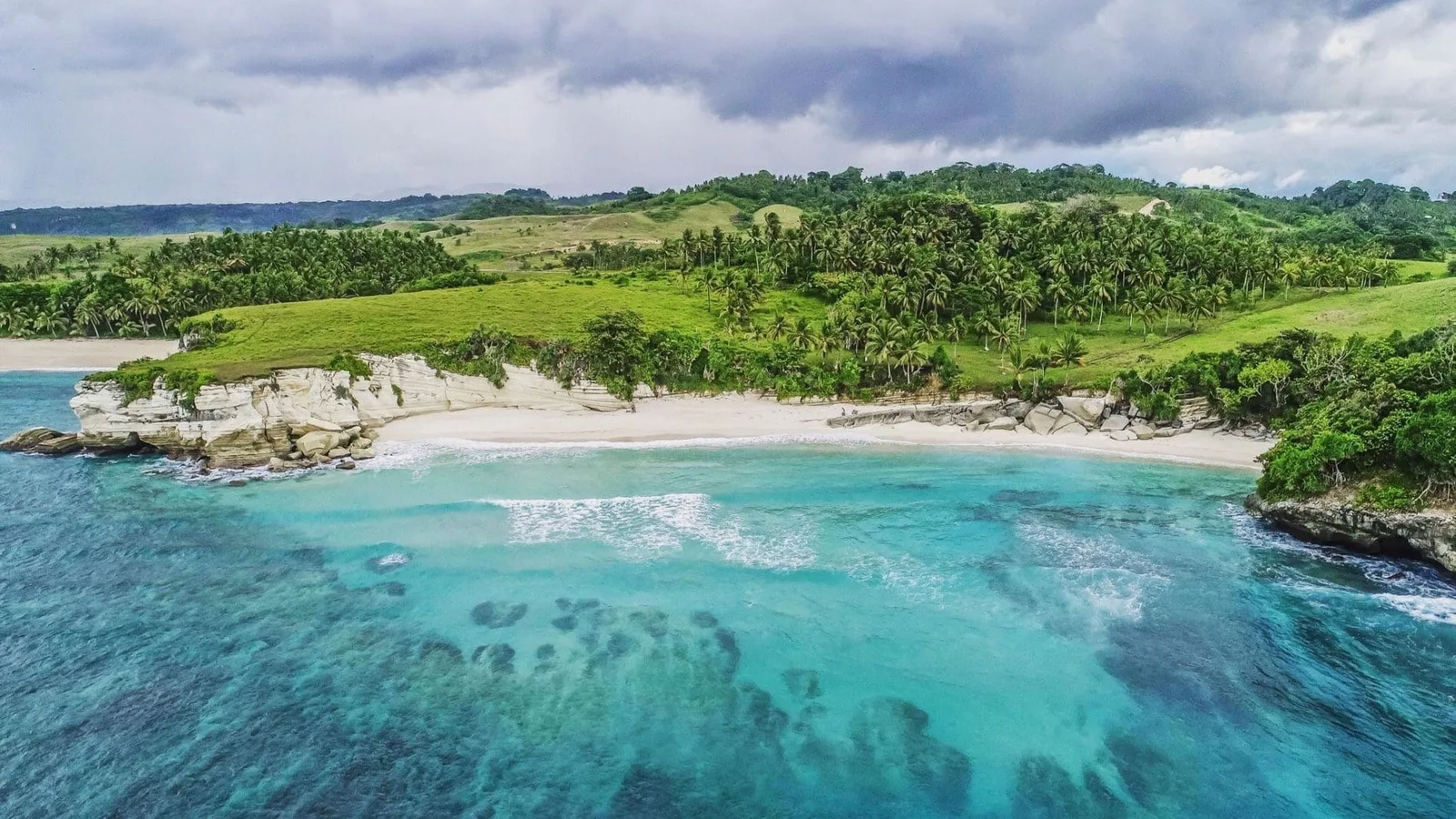
Let’s consider Sumba. For years, it was Bali’s wilder, more enigmatic cousin, known more for its ancient Marapu culture, stunning empty beaches, and world-class surfing breaks than for its bustling expat scene. It lacked the immediate, self-generating expat gravity of Canggu or Ubud. This very lack has, paradoxically, fostered a more intentional, resilient community.
When I first started spending significant time there a decade ago, the expat population was tiny, perhaps 100-200 people scattered across an island the size of Belgium. There wasn't a ready-made social scene to plug into. You had to build it.
This meant a different approach:
- Small, regular gatherings: Potlucks at someone's home, often announced via a small WhatsApp group. These weren't elaborate affairs, but simple meals where everyone brought something. The focus was on conversation, not presentation.
- Collaborative projects: A few years ago, a group of expats and locals came together to establish a small, community-run recycling initiative in a central village. The shared purpose created deep bonds. They’d meet weekly not just to sort plastics, but to share stories, frustrations, and triumphs.
- Supporting local initiatives: Many expats actively engage with local schools, health clinics, or conservation efforts. This not only contributes to the island’s well-being but provides a powerful fulcrum for genuine connections with both local and international residents. The people who come to Sumba often aren't looking for the latest trendy brunch spot; they're looking for something deeper, something more meaningful. This inherent self-selection filters for individuals often more open to genuine connection.
The development of projects like the Eco Beach City (a sustainable, regenerative development on the west coast) further illustrates this. It’s not just about building villas; it’s about creating a community from the ground up, with shared values around sustainability and local integration. Future residents arriving here will find a social structure baked into the very fabric of the development, from communal gardens to shared workspaces, which naturally fosters interaction and collaboration.
Navigating Cultural Nuances: The Unwritten Rules
Building a social circle isn’t just about showing up; it’s about showing up appropriately. Understanding local customs is paramount, particularly when bridging the expat/local divide.
- Language: Even a few words of Bahasa Indonesia (or the local dialect) can break down immense barriers. It shows respect and a willingness to engage beyond superficial tourism.
- Respect for Elders: In Indonesian culture, respect for elders is deeply ingrained. Acknowledge them first, listen patiently, and use appropriate honorifics (Pak for men, Ibu for women).
- Patience: Friendships, particularly with locals, take time to cultivate. Don’t rush it. Demonstrating consistency and genuine interest will eventually open doors.
- Invitations: If invited to a local home or ceremony, accept if possible. It’s a huge honor. Bring a small gift (fruit, coffee, or a local delicacy) but don’t make a fuss about it. Participate respectfully, even if you don’t understand everything.
- The Jam Karet Factor: The infamous 'rubber time' of Southeast Asia. Don't expect punctuality. Learn to embrace flexibility and don't take delays personally. This applies to social arrangements as much as anything else.
The 'Expat Bubble' vs. True Integration
There's a constant tension between the comfort of the 'expat bubble' and the richness of true integration. The bubble provides a sense of familiarity, a place to vent frustrations about bureaucracy or cultural misunderstandings. It's safe. But it can also be limiting, preventing deeper understanding and more profound connections. The most successful expats I know are those who can straddle both worlds, maintaining friendships within the expat community while also having deep, meaningful relationships with their local neighbors, colleagues, and friends.
The Longevity Equation: Sustaining Relationships
Remote island life, by its nature, can be transient. People come and go. This makes sustained friendships particularly valuable but also challenging. How do you maintain a robust social fabric when faces are constantly changing?
- Embrace the ebb and flow: Accept that some friendships will be fleeting, intense, and wonderful for a season. Others will endure. Don't cling too tightly, but cherish each connection.
- Be the Connector: Introduce people. Host gatherings. Create opportunities for others to meet. Being a central hub, even a small one, strengthens the overall community.
- Digital Lifelines: WhatsApp groups are invaluable for quick communication, sharing information, and organizing impromptu get-togethers. They're the digital lifeblood of many island communities.
- Shared Commitments: As mentioned earlier, engaging in projects – whether a local charity, a sustainable business, or simply a regular sports group – provides a consistent touchpoint that transcends individual comings and goings.
The average stay for an expat on a remote Southeast Asian island might be anywhere from 2 to 7 years, though some, like myself, put down deeper roots. The faster the turnover, the more proactive you need to be in continually nurturing new connections while maintaining older ones through visits or digital communication. It’s an ongoing process of renewal.
The Cost of Connection: Time, Effort, and Vulnerability
Building a social circle isn’t free. It demands time, which on an island might feel abundant but can quickly be consumed by daily life, work, or simply enjoying your own company. It demands effort – making the phone call, sending the message, following up. And crucially, it demands vulnerability. You have to be willing to put yourself out there, to risk rejection, to share parts of yourself.
For those considering a move to an island like Sumba, understand that the rewards extend far beyond stunning vistas or a slower pace of life. The connections you forge, the community you become a part of, will ultimately define your experience. It's a journey from outsider to insider, from observer to participant, woven not by grand gestures, but by countless small acts of kindness, shared laughter, and genuine presence.
It’s a different kind of wealth, measured not in rupiah or dollars, but in the depth and breadth of human connection. And that, in the long run, is far more resilient than any fluctuating market.