The Silent Engine: Why Founders Seek Solitude for Scale
The relentless hum of the startup world, the endless notifications, the 'always on' culture – it’s a crucible for innovation, but also a forge for burnout. For years, I watched bright-eyed entrepreneurs arrive in Jakarta, Singapore, or Bangkok, fueled by ambition and venture capital, only to witness their energy slowly ebb under the weight of constant demands. The daily deluge of Slack messages, investor calls, and an inbox that never sleeps became a permanent state. Then, a new pattern began to emerge, quietly at first, then with increasing momentum: the exodus.
It wasn't a permanent departure, not for most. It was a strategic retreat, a deliberate unplugging. They weren't just going on holiday; they were going to work, but differently. They sought a landscape where the distractions were nature's rhythms, not digital pings. They understood that scale isn't just about speed; it's about clarity, vision, and the kind of deep, uninterrupted thought that urban centers, ironically, seem designed to prevent. This isn't about escaping responsibility; it's about embracing a more potent form of it.
The New Workspace: Isolation as a Strategic Advantage
I've seen it firsthand, from nascent fintech startups to Series C e-commerce giants. The founders who truly thrive, who navigate the choppy waters of hyper-growth and emerge stronger, often build these periods of profound isolation into their operational rhythm. It’s not a luxury; it’s a core component of their competitive edge. Consider the sheer volume of decisions a founder makes daily. Each one, no matter how small, siphons off cognitive energy. In a hyper-connected world, that energy is constantly under siege.
Why Islands?
It's not arbitrary. Islands, particularly those less trodden, offer a unique trifecta of benefits:
- Forced Disconnection: The internet can be temperamental. Power outages happen. These aren't bugs; they're features. They create natural boundaries, forcing a digital detox that's difficult to achieve in a city. When your satellite internet might drop out, you prioritize tasks differently. You batch communications. You learn to be present.
- Sensory Immersion: The smell of salt, the sound of waves, the feel of sand underfoot. These aren't just pleasantries; they recalibrate the nervous system. The constant hum of traffic, the glare of screens – they create a low-level stress response. Nature reduces cortisol, improves focus, and sparks creativity. Suddenly, that intractable problem you've been wrestling with in a sterile office starts to unravel by the ocean.
- Cost-Efficiency (Surprisingly): While luxury resorts exist, the real value lies in finding simpler, more authentic accommodations. The cost of living and operating from a quiet corner of Southeast Asia can be significantly lower than a downtown apartment in a major tech hub. This frees up mental bandwidth and, yes, capital, for actual business challenges.
"The most profound insights often emerge not from constant input, but from sustained, uninterrupted contemplation. The island isn't a retreat from work, but a retreat into it – into its very essence."
Crafting Your Productive Sanctuary
This isn't about aimless wandering. It's a meticulously planned operation designed to maximize output and clarity. Here’s how you can replicate the success I've witnessed.
1. Define Your Purpose with Surgical Precision
Before you even look at a map, ask yourself: What is the one, or perhaps two, truly critical problems I need to solve? Is it a new product roadmap? A fundraising strategy? A deep dive into core metrics? Don’t go with a vague notion of 'getting things done.' Specificity is your compass.
- Pro Tip: Frame your purpose as a question. "How can we achieve 3x user growth in the next 18 months with existing resources?" or "What is the optimal pricing model for our B2B SaaS platform in emerging markets?" The brain is wired to answer questions.
2. The Art of the Unplug: Digital Hygiene Before Departure
This is often the hardest part. The temptation to stay connected is immense. You must actively dismantle your digital leash.
- Delegate Ruthlessly: Empower your team. Give them clear decision-making frameworks. Make it clear you'll be largely offline. This is a powerful exercise in building team autonomy.
- Set Clear Boundaries: Communicate your availability (or lack thereof) to your team, investors, and clients. "I will be checking emails for 30 minutes at 08:00 AM SGT daily, for emergencies only. All other matters, please direct to my team lead." Stick to it. Use an auto-responder.
- Remove Distracting Apps: Delete social media, news apps, and even some communication apps from your phone. Put your laptop away after your dedicated work block.
- Consider a 'Dumb Phone': For ultimate focus, some founders bring a basic phone for emergencies and local calls, leaving their smartphone and its endless notifications at home.
3. Location, Location, Deep Work
Finding the right place is crucial. You're not looking for a party island. You're looking for quiet, reliable infrastructure (even if basic), and a sense of calm.
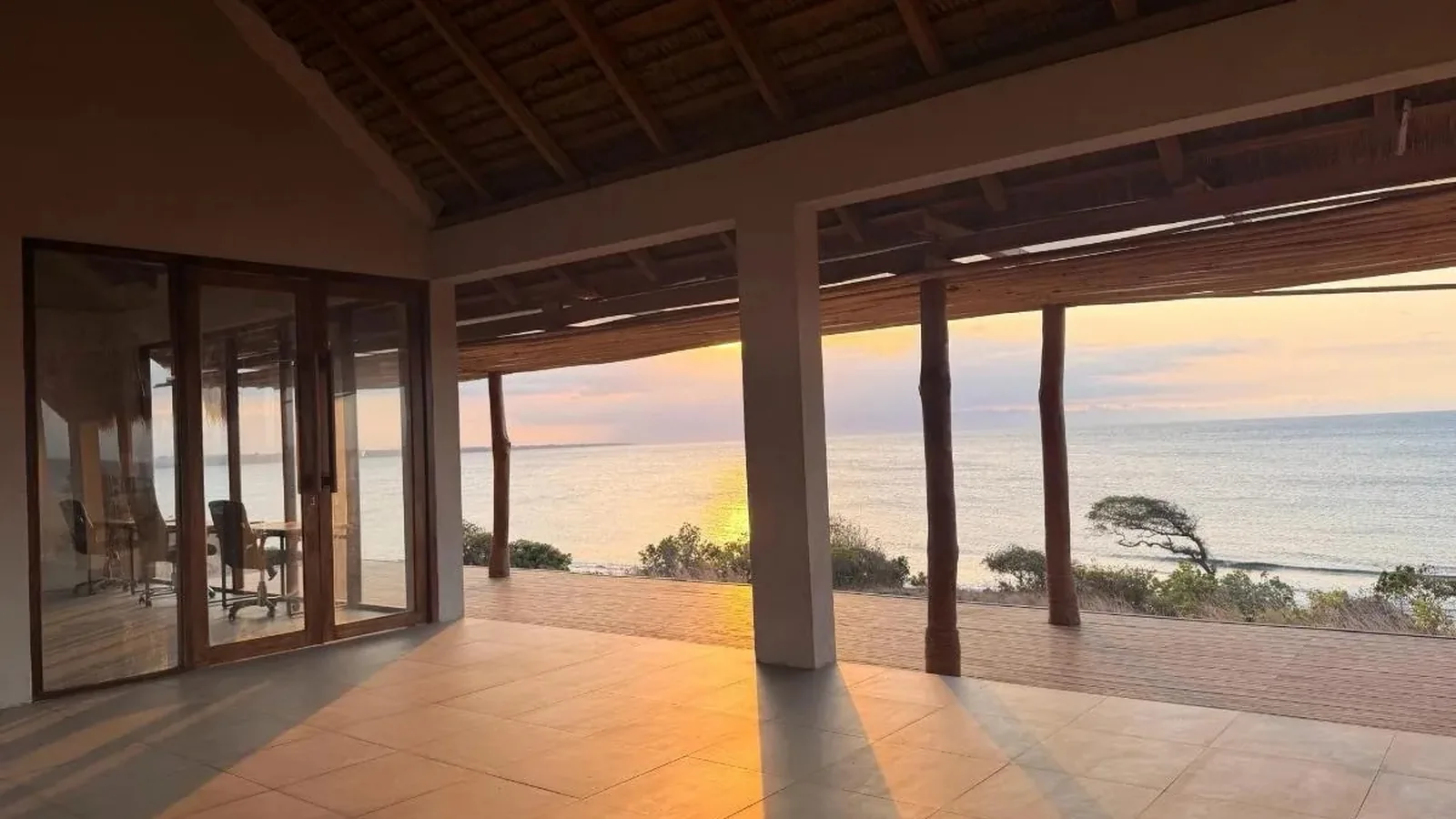
I recently saw a founder, burnt out from a series of intense investor roadshows, choose a spot a few hours’ drive from Labuan Bajo, on an island called Sumba. It's still rugged, less developed than Bali, and offers a raw, untouched beauty. There’s a developing area, sometimes referred to as Eco Beach City, where mindful construction and sustainability are priorities, but it's not yet overwhelmed by tourism. This particular founder rented a simple, beachfront bungalow for a month.
- Specifics to Look For:
- Internet: While you want to disconnect, a backup for emergencies or essential uploads is wise. Satellite internet (Starlink, for example, is making inroads) or a strong local SIM card (Telkomsel often has the best coverage in Indonesia) is key. Don't expect fiber optics in remote areas.
- Power: Reliability is critical. Look for places with solar backup or generators. A small power bank for your devices is a must. Power cuts, known as pemadaman listrik, are common in remote Indonesian areas.
- Accommodation: A private space, ideally with a desk and good natural light. Simplicity is key. You don't need marble bathrooms; you need quiet.
- Food: Access to fresh, healthy food. Local warungs or a small kitchen where you can prepare your own meals are ideal. Avoid places where you'll be constantly tempted by gourmet dining or bar scenes.
- Accessibility: How long does it take to get there? A grueling 30-hour journey can negate the benefits of arrival. A flight followed by a 2-3 hour car ride is usually manageable.
4. Structure Your Days for Peak Performance
This isn't a vacation. It's a hyper-focused work sprint. Discipline is paramount.
- Morning Rituals: Start early. Before the heat sets in, before the world truly wakes. A sunrise walk on the beach, meditation, journaling. This primes your mind for deep work.
- Dedicated Deep Work Blocks: Schedule 3-4 hour blocks of uninterrupted work. This means no email, no calls, no 'quick checks.' Use a timer. Focus on that single, pre-defined purpose. For that Series C founder in Sumba, his mornings were dedicated to crafting the narrative for their next fundraising deck. He'd walk on the beach, then spend 4 hours in a flow state, words pouring onto the page, unburdened by distractions.
- Movement & Breaks: Integrate physical activity. Surf, swim, walk, do yoga. This isn't just about fitness; it's about breaking cognitive loops and allowing your subconscious to work on problems. A 30-minute swim in the ocean can be more effective than an hour of staring blankly at a screen.
- Batch Communications: Designate specific, short windows for checking emails and communicating with your team. Perhaps 08:00–08:30 AM and 04:00–04:30 PM. Then shut it down.
- Evening Reflection: Wind down with reading, journaling, or simply watching the sunset. Avoid late-night screen time. Quality sleep is non-negotiable for cognitive function.
5. Common Mistakes to Avoid
- The 'Working Holiday' Fallacy: This isn’t a holiday where you also work. It’s a work sprint in a different environment. Don't fall into the trap of thinking you can balance sightseeing with deep work. You can't. Not effectively.
- Underestimating Connectivity Challenges: Don't assume. Verify internet speeds, power reliability, and cellular coverage before you book. A bad connection can be more frustrating than no connection.
- Over-scheduling: Don't bring your urban schedule with you. The pace is different. Embrace the slowness. Allow for serendipitous moments of insight that arise from reduced pressure.
- Bringing the Team: While team retreats have their place, this particular approach is about individual deep work. Bringing the whole team introduces the very distractions you're trying to escape.
- Lack of Pre-Planning: The more you prepare your team, your schedule, and your digital boundaries before you leave, the more successful your retreat will be. Don't just pack a bag and hope for the best.
The Immutable Truth: Clarity Beyond the Noise
When that founder returned from his month in Sumba, he wasn't just rested; he was transformed. He had a fully fleshed-out investor deck, a refined product strategy, and, critically, a renewed sense of purpose. He'd navigated difficult decisions with a calm that had been absent for years. The investment he received shortly after was, in part, a testament to that clarity.
The cost? Roughly IDR 15,000,000 (around USD 950 at current exchange rates) for his simple bungalow, plus flights and basic food. A fraction of what he'd spend on a month of office rent and city living in Jakarta, and infinitely more productive. He told me it was the best investment he’d made in his business, hands down.
This isn't about running away from the challenges of entrepreneurship. It's about strategically engaging with them from a position of strength, clarity, and deep, uninterrupted thought. In a world clamoring for attention, the ability to command profound focus isn't just an advantage; it’s a superpower. And sometimes, to find that power, you just need to turn down the volume and listen to the waves.