Beyond the Blue Line: Crafting a Life Remote in the Archipelago
The afternoon sun, a benevolent furnace, beat down on the corrugated iron roof of Warung Bu Made. Inside, the air was still, thick with the scent of grilled fish and sambal. A geckos clicked its territorial warning from a bamboo beam. I watched a young man, perhaps 25, his laptop perched precariously on a plastic table, squinting at the screen. He was dressed in board shorts and a faded t-shirt, a half-empty coconut beside him. He looked utterly serene, yet intensely focused. His office, for that moment, was the open-air veranda of a roadside eatery on a remote island, the ocean a shimmering backdrop just beyond the palm trees. This isn't the romanticized image of 'digital nomadism' you see on Instagram – the perfectly curated beach shots and designer cocktails. This is the messy, beautiful reality of it: the constant negotiation between connectivity and tranquility, productivity and presence, the hum of ambition against the roar of the waves.
For years, I've observed this phenomenon from myriad vantages across Southeast Asia. The lure of a lower cost of living, a warmer climate, and a different pace of life pulls many. But many more crash and burn, unprepared for the bureaucratic labyrinth, the cultural nuances, or simply the logistical friction of building a life from scratch in a foreign land. This isn't about escaping; it's about constructing. It's about intentionality, foresight, and understanding that paradise, while accessible, rarely comes without a few sharp edges.
Indonesia, a sprawling nation of more than 17,000 islands, has long captivated the adventurous. Its allure extends far beyond the well-worn tourist trails of Bali. For those seeking a genuine, long-term base that offers both professional opportunity and a profoundly different way of living, the archipelago presents a compelling, albeit complex, proposition. The key lies in strategic planning and an appreciation for the details.
The Unvarnished Truth: Legal Foundations & Entry
The first, and arguably most critical, hurdle is legal residency. Forget the myths of visa runs and informal arrangements; the Indonesian government has grown increasingly rigorous. Attempting to work on a tourist visa is not just risky; it's foolish and can lead to significant penalties, including deportation and blacklisting. The days of casual itinerancy are largely over.
Visa to Thrive: Your Legal Gateway
The most viable option for a remote professional or investor is the second home visa, officially known as the Visa Tinggal Terbatas (VITAS) for second home purposes. Introduced in late 2022, this visa is designed for individuals who wish to stay in Indonesia for an extended period without working for an Indonesian entity. It offers a five or ten-year stay permit and is renewable.
- Financial Prerequisite: The primary requirement is proof of funds in an Indonesian state-owned bank account, amounting to a minimum of IDR 2 billion (approximately USD 130,000 / EUR 120,000). This is not a fee, but a deposit demonstrating self-sufficiency. Alternatively, you can show proof of luxury property ownership in Indonesia of similar value. This is a significant barrier to entry, designed to attract high-net-worth individuals.
- Process: The application is typically made through an Indonesian sponsor or agent. Submitting directly without local representation is arduous. Expect the process to take 2-4 months, sometimes longer. Start early.
- Health Insurance: Proof of comprehensive health insurance valid in Indonesia is mandatory. Don't skimp here. Local healthcare infrastructure varies dramatically, and quality private hospitals in major cities are not inexpensive.
For those who don't meet the financial threshold of the second home visa, the Business Visa (B211A/B211B) remains an option, primarily if your remote work involves consulting for international clients or investigating business opportunities in Indonesia. This is a single-entry visa, typically valid for 60 days, and extendable up to four times, for a total stay of 180 days. It expressly forbids working for an Indonesian company or earning income from Indonesian sources. Misuse of this visa is a common pitfall.
"The greatest freedom in a foreign land isn't the absence of rules, but the wisdom to understand and navigate them." - A Jakarta-based immigration lawyer once told me this over lukewarm Bintang.
Pro Tip: Engage a reputable local visa agent. They navigate the bureaucracy, understand the nuances, and can save you invaluable time and prevent costly errors. Expect to pay anywhere from IDR 5 million to IDR 15 million (USD 320 - USD 960) for their services, not including government fees.
Connectivity & Infrastructure: The Remote Professional's Lifeline
The image of slow, unreliable internet is largely outdated, at least in key areas. For a digital nomad, robust and consistent connectivity is non-negotiable.
Internet & Mobile Data
- Fiber Optic: In larger towns and increasingly across more remote areas, fiber optic internet is available. Providers like IndiHome (Telkom), Biznet, and First Media offer reliable packages. Expect speeds of 50 Mbps to 100 Mbps for around IDR 300,000 - IDR 500,000 (USD 20 - USD 35) per month. Service can be surprisingly good, but power outages remain a reality in less developed regions.
- Mobile Data: Indonesia has excellent 4G/LTE coverage, and 5G is slowly rolling out in major cities. Telkomsel is generally considered the most reliable provider, especially outside urban centers. Other strong contenders include XL Axiata and Indosat Ooredoo. A monthly data package of 50 GB can cost around IDR 100,000 - IDR 200,000 (USD 7 - USD 14). Dual-SIM phones are highly recommended.
Power & Backup
Power stability is crucial. While cities rarely experience blackouts, more remote islands can have intermittent electricity. Invest in a UPS (Uninterruptible Power Supply) for your critical devices. For true peace of mind, consider a small, portable generator if you plan to live far off the grid.
Where to Anchor: Beyond the Obvious
While Bali is a common entry point, its popularity has led to overcrowding, traffic, and rising costs. For those seeking genuine immersion and a more tranquil, yet still connected, existence, other islands offer compelling alternatives.
The Untapped Potential: Sumba
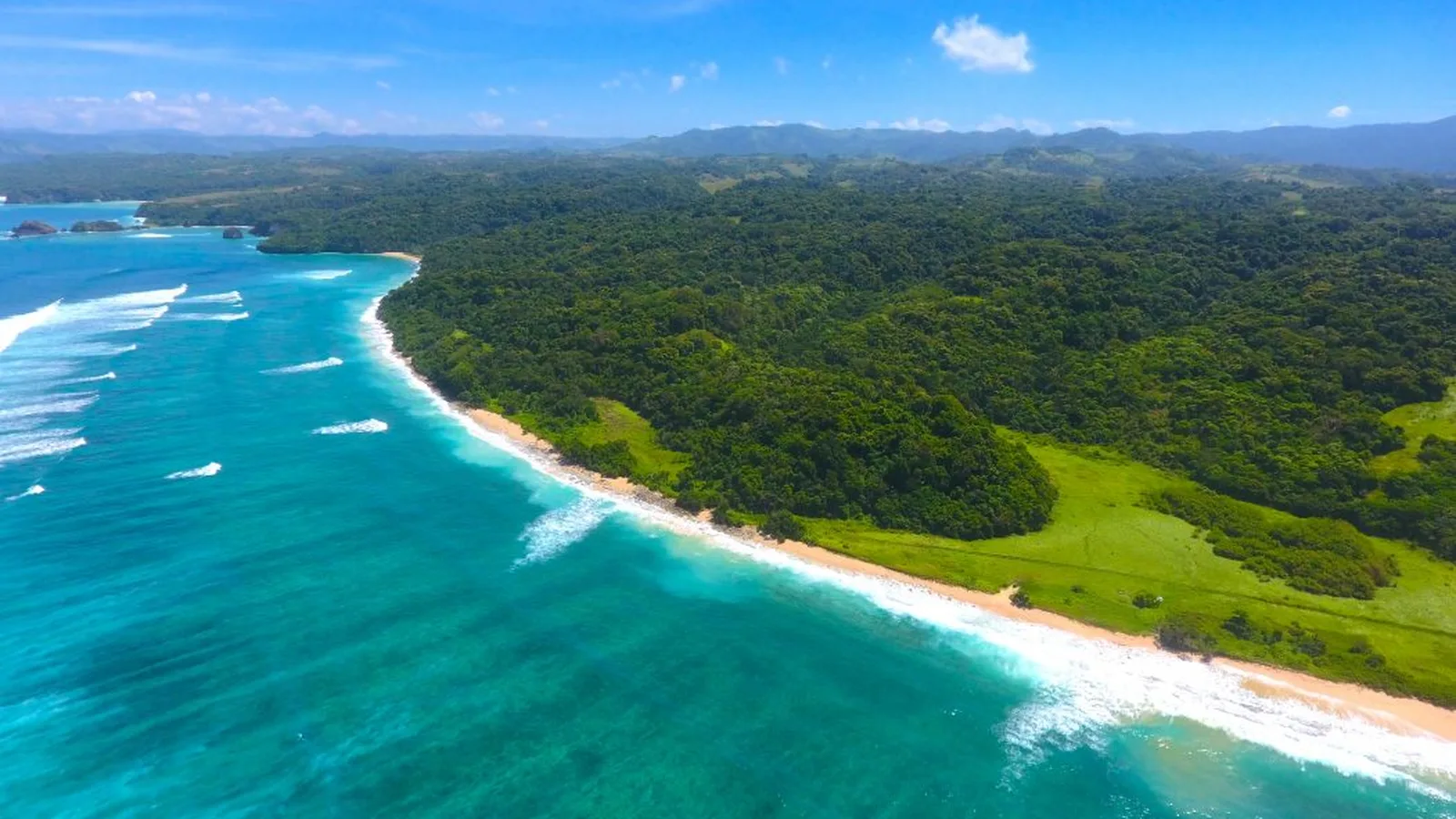
My attention has increasingly turned towards a particular island, one that still feels like an unfolding secret: Sumba. Located in East Nusa Tenggara, just an hour's flight east of Bali, Sumba offers a profound contrast. It's an island of rolling savannahs, dramatic limestone cliffs, pristine turquoise waters, and a rich, animistic culture where ancient traditions still hold sway. The pace is slower, the air cleaner, and the connection to nature more immediate.
- Cost of Living: Significantly lower than Bali. A comfortable 2-bedroom house with a garden might rent for IDR 5 million - IDR 10 million (USD 320 - USD 640) per month, compared to IDR 15 million - IDR 30 million+ in many parts of Bali. Local food is incredibly affordable.
- Connectivity: While not as ubiquitous as Bali, fiber optic is expanding, particularly around the main towns of Waingapu and Tambolaka, and increasingly in development zones like Eco Beach City. Mobile data is strong in most populated areas with Telkomsel.
- Community: A nascent but growing expatriate community exists, often drawn by sustainable development, surfing, and a desire for genuine cultural exchange. It's a more discerning crowd, less focused on parties and more on purpose.
- Lifestyle: Imagine waking to the sound of roosters, spending your workday overlooking the Indian Ocean, and your evenings watching the Milky Way ablaze above a traditional adat village. Sumba offers an unparalleled opportunity for deep integration and a return to elemental living, without sacrificing modern comforts for the well-prepared.
Pro Tip: Learn some basic Bahasa Indonesia. While English is spoken in tourist areas, even a rudimentary command of the local language will unlock incredible experiences and foster deeper connections in places like Sumba.
Other Contenders:
- Lombok: Bali's quieter neighbor, offering stunning beaches, Mount Rinjani, and a developing infrastructure. Kuta Lombok is emerging as a surf hub.
- Flores: Gateway to Komodo National Park, but also a beautiful island in its own right, with a slower pace and incredible natural beauty.
- Northern Sumatra (Lake Toba region): For those seeking cooler climates and unique Batak culture, though connectivity can be spottier.
Practicalities of Daily Life: Beyond the Postcards
Building a life requires more than just a visa and internet. It's about the mundane, the routine, and the unexpected.
Banking & Finances
Opening a local bank account (e.g., BCA, Mandiri, BNI) is crucial for managing local expenses, utilities, and potentially fulfilling visa requirements. This usually requires a KITAS (Temporary Stay Permit) or KITAP (Permanent Stay Permit) and a local address. Transferring funds internationally can be done via services like Wise (formerly TransferWise) or through local banks, but be aware of fees and exchange rates.
Transportation
- Motorbikes: The most common form of personal transport. A reliable scooter (e.g., Honda Vario, Yamaha NMAX) can be rented monthly for IDR 1.5 million - IDR 2.5 million (USD 100 - USD 170). Always wear a helmet and ensure you have an international driving permit endorsed for motorcycles. Traffic laws are often 'suggestions' rather than strict rules in smaller towns.
- Cars: Less common for daily use but advisable for families or longer distances. Renting a car with a driver is often surprisingly affordable for longer trips (e.g., IDR 500,000 - IDR 800,000 / USD 35 - USD 55 per day, including fuel, for a day trip in Sumba).
- Ride-Hailing: Gojek and Grab are indispensable in major cities and increasingly available in secondary towns, offering motorbike taxis, car taxis, food delivery, and even courier services.
Healthcare & Wellness
Indonesia's healthcare system is a mix. Major cities like Jakarta, Surabaya, and Bali have excellent private hospitals with English-speaking doctors. In more remote areas, facilities are basic. Comprehensive international health insurance is non-negotiable. For routine care, local clinics are often good and affordable. Pharmaceuticals are widely available and often cheaper than in Western countries.
Local Culture & Community
This is where the real richness lies. Embrace it. Learn basic Indonesian phrases. Respect local customs (adat). Participate in community events, even if it's just watching. In places like Sumba, traditional ceremonies (funerals, harvest festivals) are deeply significant and a privilege to witness. Showing respect, even if you don't fully understand, goes a long way.
- Dress Code: Modest dress is appreciated, especially when visiting temples, mosques, or traditional villages. Shoulders and knees covered are a good rule of thumb.
- Bargaining: Common in markets, but do so respectfully and with a smile. Don't haggle over small amounts; it's considered impolite.
Common Mistakes to Avoid
- Underestimating Bureaucracy: Assume everything will take longer than you expect. Patience is a virtue here.
- Ignoring Local Laws: Ignorance is not an excuse. Familiarize yourself with regulations, especially regarding visas, drugs, and public conduct.
- Expecting Western Standards: While infrastructure is improving, you'll encounter different standards of plumbing, electricity, and service. Adaptability is key.
- Neglecting Cultural Sensitivity: Indonesia is diverse. What's acceptable in one region might not be in another. Observe, learn, and ask.
- Lack of Financial Planning: Don't arrive with just enough money for a few months. Have a solid financial buffer for emergencies, visa renewals, and unexpected costs.
The Investment Beyond Currency: A Life Redefined
The act of building a life in a place like Sumba isn't just a geographical relocation; it's a recalibration of priorities. It's trading endless commutes for morning swims, glass towers for palm fronds, and the relentless hum of the modern world for the rhythm of the tides. The financial commitment for a second home visa is substantial, yes, but for those seeking a profound shift, the return on investment isn't just in property appreciation or a lower cost of living. It's in the quiet morning light hitting the ocean, the genuine warmth of a local smile, and the feeling of truly living rather than just existing.
The archipelago offers a canvas for a life remade, a chance to define success not by accumulation, but by experience, connection, and the luxury of unhurried time. It's a challenging, rewarding path, one that demands respect for its complexities, but promises a richness far beyond the blue line of the horizon.