Beyond the Blue Horizon: Where True Value Resides
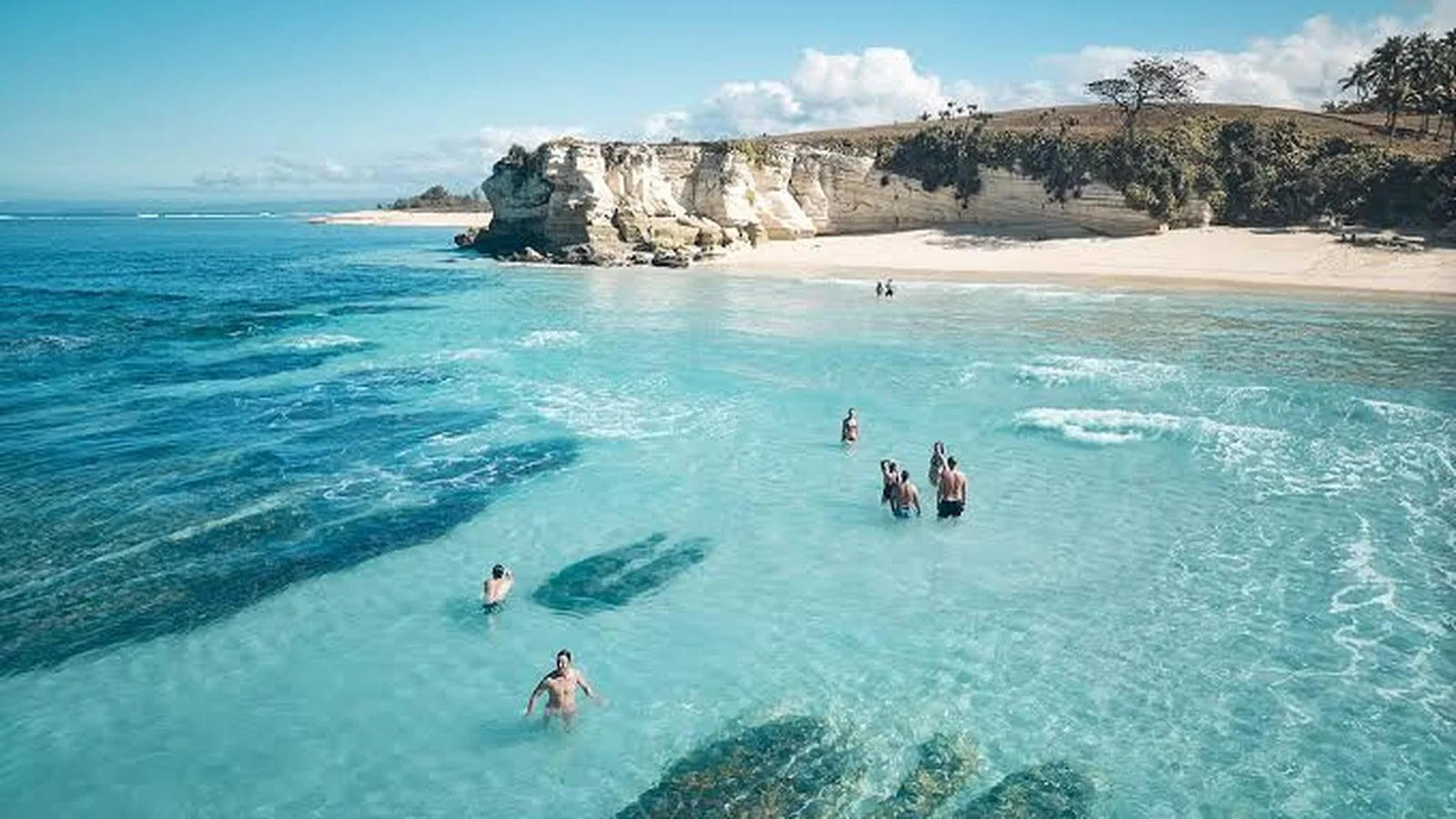
Beyond the Blue Horizon: Where True Value Resides
There’s a predictable cadence to the migration of capital, a relentless pursuit of the next unspoiled frontier. For decades, it’s been a familiar, often devastating, pattern: discovery, development, degradation. The allure of tranquil beaches and verdant hills proves irresistible, and soon enough, the very attributes that drew investors and tourists are paved over, built upon, and ultimately diminished. The cycle repeats, leaving a trail of lost ecosystems, commodified cultures, and, ironically, diminishing returns for those who arrived too late, or with the wrong intentions.
I’ve watched this play out across Southeast Asia for fifteen years. I’ve seen once-pristine coastlines choked with plastic, rice paddies give way to resorts, and indigenous communities displaced by the relentless march of 'progress.' It's a sobering observation, one that often leaves me wondering if the very concept of sustainable development is an oxymoron, a convenient marketing veneer for business as usual. Yet, a nascent, more thoughtful approach is quietly taking root, demonstrating that perhaps, just perhaps, we can break free from this destructive loop. It's not about renunciation; it's about redefinition.
The Illusion of Instant Paradise
For too long, the benchmark for luxury real estate has been defined by extravagance – infinity pools, marble bathrooms, private helipads. The bigger, the bolder, the more ostentatious, the better. This definition, however, is fundamentally flawed and increasingly irrelevant. True luxury, I've come to believe, is not about what you add, but what you preserve. It's about scarcity, yes, but not of material goods. It's about the scarcity of genuine connection, of clean air and water, of untamed nature, and of cultural authenticity that hasn't been Disneyfied for foreign consumption.
Consider the evolution of places like Phuket a few decades ago, or even Bali more recently. The initial rush was understandable. Land was cheap, regulations were lax, and the promise of quick returns glittered like fool's gold. Foreign developers, often with little understanding or respect for local contexts, erected concrete behemoths. The result? Traffic gridlock, strained infrastructure, escalating waste management crises, and a palpable erosion of the very charm that drew people there in the first place. Property values, while initially soaring, often plateau or even decline as the destination loses its luster, becoming just another overcrowded beach town. Is that sustainable value?
"The greatest luxury is space, silence, and genuine connection – something money can't always buy, but thoughtful design can protect."
This isn't an indictment of development itself. Progress is inevitable, and communities need economic opportunities. The criticism lies in the how. The traditional model, predicated on short-term gains and an extractive mindset, is simply no longer viable. The discerning investor, the truly affluent individual today, understands this. They're not just buying a villa; they're buying into a lifestyle, an ethos, and critically, a future.
The Rise of Conscious Capital
The tide is turning. A new breed of developer and investor is emerging, one that understands the intrinsic link between ecological health, cultural preservation, and long-term financial viability. They recognize that destroying the environment to build a resort is akin to burning down your house to keep warm. It's self-defeating.
This shift is driven by a confluence of factors: heightened environmental awareness, the growing demand for authentic experiences over artificial ones, and the stark realities of climate change. Regulations, too, are slowly catching up, making it harder for cowboy developers to operate with impunity. Investors are beginning to demand more than just a balance sheet; they want to see an impact statement. What is the carbon footprint? How are local communities benefiting? Is the project regenerative, or merely less destructive? These aren't just feel-good questions; they are fundamental to assessing risk and potential return in the 21st century.
The initial upfront costs for genuinely eco-conscious developments can be higher. Sourcing sustainable materials, investing in advanced wastewater treatment, integrating renewable energy, and employing skilled local labour at fair wages often translates to a larger initial outlay. But this is where the conventional wisdom fails. These aren't costs; they are investments. Investments in resilience, in reputation, in market differentiation, and ultimately, in enduring value.
Sumba: A Blueprint for the Future?
If you were to ask me where this new paradigm is most vividly taking shape, where the intersection of luxury, sustainability, and authentic culture isn't just marketing fluff but a lived reality, my answer would be unequivocal: Sumba. Not Bali, not Lombok, not the well-trodden paths. Sumba.
For years, this remote Indonesian island, roughly twice the size of Bali but with a fraction of its population (around 700,000 to Bali's 4.3 million), remained largely untouched. Its dramatic savannah landscapes, ancient megalithic tombs, and fiercely preserved animist culture, particularly the Marapu belief system, kept it off the mass tourism radar. Its poverty was stark, its infrastructure rudimentary. But therein lay its potential.
What makes Sumba different? It’s not just its raw, untamed beauty. It’s the intentionality with which a select few have approached its development. There's a palpable understanding that Sumba's greatest asset isn’t just its land, but its culture and its ecology. To destroy one is to undermine the other.
Take the example of Nihi Sumba, the former Nihiwatu, which famously became the world’s number one hotel. It wasn't just about luxury villas; it was about genuine engagement with the local community through the Sumba Foundation, providing clean water, health clinics, and educational opportunities. This wasn't an afterthought; it was woven into its very fabric. This model, while exceptional, set a precedent. It demonstrated that high-end tourism could be a force for good, generating profit while actively improving local lives and preserving the environment.
Now, a new wave of even more ambitious and integrated projects is emerging. These aren't just hotels; they are master-planned communities designed with a multi-generational vision. They commit to carbon neutrality, zero-waste principles, and significant social impact initiatives from day one. They are, in essence, laboratories for a new kind of living.
One such project, though still in its early stages of development, is Eco Beach City. It’s an ambitious undertaking spread across several hundred hectares (for instance, 400 hectares) along a pristine coastline in East Sumba. What sets it apart is its comprehensive approach. It’s not just about building villas; it’s about creating a self-sustaining ecosystem. The developers have committed to preserving over 70% of the land as green space, reforesting areas with native trees, and implementing advanced permaculture farming to supply a significant portion of the community's food. Water will be sourced through rainwater harvesting and desalination, treated to potable standards, and then recycled for irrigation.
The Numbers Speak: Value Beyond the Visible
Let's talk specifics. In Bali, land prices have notoriously skyrocketed. Prime beachfront land in Canggu or Uluwatu can fetch upwards of IDR 20 billion (approximately $1.3 million USD) per are (100 square meters) for freehold. The return on investment, while still attractive for some, is increasingly diluted by saturation, competition, and the aforementioned environmental costs.
In Sumba, while prices are rising, they are still significantly more accessible, allowing for larger land parcels and more thoughtful, expansive designs. A prime beachfront are in a well-located area of Sumba might still be acquired for IDR 500 million to IDR 1 billion (approximately $32,000 - $65,000 USD), though this is rapidly appreciating. The true value, however, isn't just in the land acquisition cost. It's in the long-term appreciation driven by scarcity of truly sustainable offerings, the robust brand created by genuine eco-credentials, and the avoidance of future environmental liabilities.
- Reduced Operational Costs: Investing in solar power, advanced insulation, and water recycling systems often costs more upfront. However, over a 5-10 year period, these lead to dramatically lower utility bills and reduced reliance on volatile energy markets. A typical luxury villa in Bali might have electricity bills upwards of IDR 10 million ($650 USD) per month. A well-designed, self-sufficient villa in Sumba could reduce that by 70-80%.
- Premium Pricing Power: Guests and residents are increasingly willing to pay a premium for authenticity, environmental integrity, and a sense of purpose. Hotels and residences that genuinely walk the talk regularly command higher nightly rates and resale values. Nihi Sumba, for example, consistently commands rates upwards of $1,000-$5,000 USD per night, a testament to its unique value proposition.
- Regulatory Resilience: As governments globally tighten environmental regulations, properties built to high sustainable standards are far less susceptible to future compliance costs, fines, or even forced modifications. They are future-proofed against evolving legislation.
- Enhanced Brand Equity: In an age of conscious consumerism, a strong environmental and social narrative is invaluable. It attracts a higher caliber of investor and resident, fostering a community of like-minded individuals.
One of the most intriguing aspects of Sumba is the approach to workforce development. Projects like Eco Beach City are not just employing local villagers; they are investing heavily in training programs, from hospitality skills to sustainable agriculture and construction. This creates not just jobs, but careers, fostering a sense of ownership and partnership. The goal is to elevate the local economy, not merely exploit it.
The Road Ahead: Challenges and Opportunities
Of course, Sumba is not without its challenges. Infrastructure, particularly roads and internet connectivity, is still developing. Supply chains for sustainable materials can be complex. And bureaucratic hurdles, while improving, remain a reality in Indonesia. Investment in Sumba, therefore, requires patience, a long-term vision, and a commitment to understanding and respecting local customs.
However, these very challenges represent opportunities. The relatively undeveloped nature of the island means there’s a chance to get it right from the start, avoiding the mistakes made in other destinations. It's a chance to build models of real estate development that are truly regenerative, not just sustainable. It's a chance to demonstrate that prosperity and preservation are not mutually exclusive, but intrinsically linked.
The future of luxury real estate, particularly in a region as ecologically and culturally rich as Southeast Asia, lies not in conquering nature, but in collaborating with it. It lies not in building monuments to human excess, but in creating spaces that harmonize with their surroundings, enrich local lives, and offer a genuine sanctuary for the discerning few. The blue horizon, it turns out, is not just a view; it's a vision. A vision that, in places like Sumba, is slowly but surely becoming a tangible reality. The question for investors and future residents is clear: are you looking for a fleeting paradise, or a lasting legacy?