The Archipelago's Unwritten Rule: Scarcity, Soul, and Returns
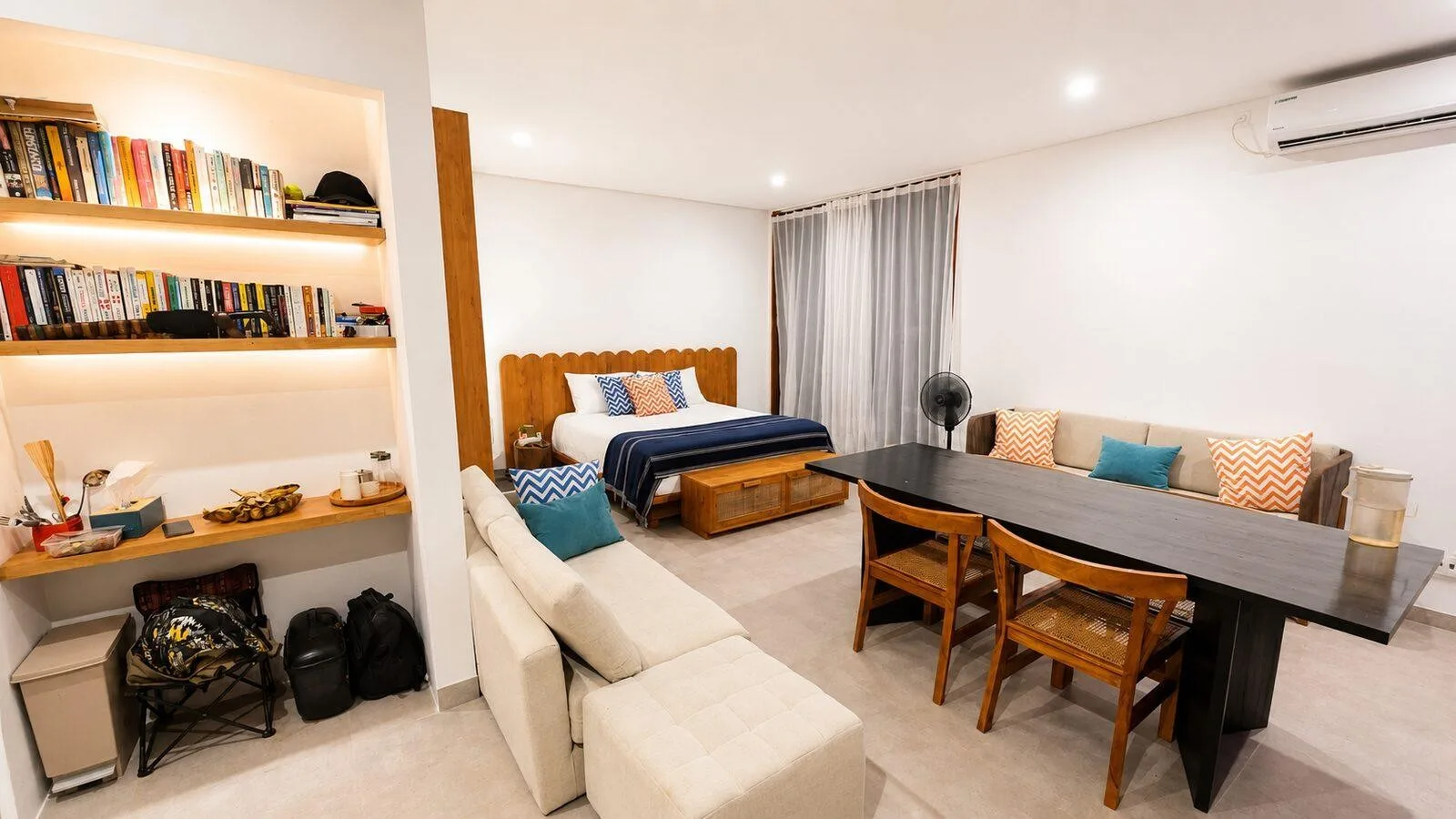
One in three luxury vacation rental properties in Southeast Asia currently sits vacant for more than 200 days a year. This isn't a statistic from a dusty economics textbook; it's a quiet whisper among property agents, a reality often glossed over in glossy brochures promising idyllic escapes and effortless returns. It’s a paradox, isn't it? The very places we dream of — sun-drenched, palm-fringed — are increasingly saturated, their allure diluted by an endless parade of identical villas. We chase the postcard, only to find the stamp has been used too many times.
I've seen it unfold over fifteen years, watching once-pristine beaches transform into concrete jungles, their soul slowly eroded by the relentless tides of development. The dream of passive income, once so vibrant and attainable, has become a lot more… active. More competition, less demand density. Higher operational costs, lower net yields. The golden goose, in many popular spots, has learned to lay fewer eggs.
The Illusion of Proximity: Why 'Popular' Isn't Always 'Profitable'
For a long time, the prevailing wisdom in the region was simple: proximity to an international airport and existing tourist infrastructure guaranteed success. Think Phuket, think Bali’s southern reaches. And for a while, it worked. The early movers made fortunes. But then everyone else showed up. The result? A race to the bottom on nightly rates, an arms race on amenities, and a constant struggle to stand out in a sea of sameness.
The Bali Bubble: A Cautionary Tale
Take Canggu, for example. A decade ago, it was rice paddies and a few surf shacks. Today, it’s a sprawling urban-coastal hybrid, traffic snarled, construction never-ending. A beautiful three-bedroom villa with a private pool, which might have commanded USD 600 a night in 2017, now struggles to achieve USD 350 during peak season, often discounting further to fill gaps. Why? Because there are five identical villas next door, and another ten being built down the road. The sheer volume of inventory has outstripped demand, or rather, it has diluted the quality of demand. The discerning traveler, the one willing to pay a premium for spaciousness, privacy, and genuine cultural immersion, has largely moved on.
"The real luxury isn't about marble countertops or infinity pools anymore. It's about space. It's about quiet. It's about a connection to something authentic, something that hasn't been commoditized." This insight came from a German developer I met in Lombok, a man who'd made his fortune building high-end resorts in Mauritius before turning his attention to less-trodden Indonesian islands.
His words stuck with me because they cut through the noise. We're in an era where genuine experience trumps ostentatious display. And that experience, ironically, is becoming harder to find in the places most advertised.
So, if the well-worn path is increasingly fraught, where does one look for truly passive income, for investments that appreciate both in value and in soul?
Beyond the Brochure: The Search for Scarcity
The answer, I've found, lies in scarcity. Not artificial scarcity created by marketing, but natural scarcity. Scarcity of pristine coastline, scarcity of authentic culture, scarcity of true wilderness. These are the elements that, when combined with thoughtful, sustainable development, create enduring value.
This led me, years ago, to an island that, even now, feels like a whispered secret rather than a shouted advertisement. An island where the ancient ways still hold sway, where the rhythm of life is dictated by the sun and the seasons, not by Instagram trends or the latest influx of digital nomads. An island where the very earth beneath your feet feels different, charged with history and unspoken power.
Discovering the Unspoiled Horizon
I first visited Sumba almost a decade ago. The flight from Denpasar was short, a mere 75 minutes, but the journey felt like crossing a temporal divide. Stepping off the plane at Tambolaka (TMC), the air was thick with the scent of dry grass and woodsmoke, a stark contrast to Bali’s humid, petrol-laced air. There were no touts, no congested roads, just a vast, undulating landscape of savannah, dotted with traditional uma mbatang houses and towering megalithic tombs.
Sumba is roughly twice the size of Bali, yet its population is a fraction — around 800,000 to Bali's 4.4 million. The landscape is dramatically different too. Instead of volcanoes and terraced rice paddies, Sumba offers rolling hills, dramatic cliffs plunging into turquoise seas, and some of the most consistent surf breaks in the world. It’s wild, raw, and utterly captivating.
What immediately struck me was the culture. The Sumbanese are fiercely proud of their ancestral traditions, their adat. The Pasola festival, where hundreds of horsemen engage in mock battles, is a spectacle of primal energy and ancient ritual. Their intricate ikat weaving, a labor of love taking months, is a tangible link to their heritage. This isn't a culture put on for tourists; it is their life.
The Investment Proposition: Cultivating Returns, Respecting Culture
Now, you might think: “Remote, traditional, less developed – how does this translate to passive income?” And that's precisely where the paradigm shifts. The smart money isn’t looking for quick flips on mass-market properties here. It’s looking for something else entirely: controlled exclusivity and authentic luxury.
Consider the properties that have succeeded here. They don't copy Bali. They integrate. They respect. They build with local materials, employ local people, and embrace the local aesthetic. The world-renowned Nihi Sumba, for instance, has demonstrated that travelers will pay upwards of USD 1,500 a night for an experience that is both luxurious and deeply rooted in its surroundings. It's not just a resort; it's a testament to responsible tourism, a model for how high-end travel can empower a local community without sacrificing its authenticity.
The Eco Beach City Model: A Blueprint for Sustainable Growth
One emerging development, Eco Beach City, offers a compelling blueprint for this new approach. Instead of sprawling concrete, they're developing a master-planned community over 1,200 hectares on the southwest coast, focused on low-density, ecologically conscious design. The vision is for private residences that blend into the natural landscape, with shared amenities that promote wellness and community, all while adhering to strict environmental guidelines.
Think three-bedroom villas on generous plots, starting from around IDR 8.5 billion (approximately USD 550,000), designed with passive cooling, rainwater harvesting, and solar power integration. These aren't just vacation homes; they're designed for long-term living, for those seeking a deeper connection to nature and culture.
The investment strategy here isn't about competing on price, but on value. Value derived from:
- Scarcity of Land: Unlike Bali, large tracts of pristine, freehold land with clear title are still available, though rapidly diminishing. Local government regulations are increasingly favoring sustainable, low-impact development, further limiting supply.
- Unspoiled Natural Beauty: The dramatic coastline, consistent surf, and unique savannah landscape offer experiences simply not found elsewhere in the archipelago.
- Authentic Culture: This is not a theme park. The Pasola, the traditional villages, the marapu spiritual beliefs – these are living traditions that offer a profound cultural engagement for discerning travelers.
- Long-Term Appreciation: As the world seeks out more authentic, less crowded destinations, locations like Sumba are poised for significant capital appreciation, particularly for properties that adhere to high standards of design and sustainability. This isn't a 2-year flip; it's a 10-year hold.
The Numbers Game: Realistic Returns
Let's talk passive income. For a private villa in a well-managed development like Eco Beach City, with robust property management in place, a conservative projection might look like this:
- Purchase Price (3-bed villa): USD 550,000 (IDR 8.5 billion)
- Annual Operating Costs (Management, cleaning, utilities, maintenance, local taxes): ~5-8% of property value, so around USD 27,500 - USD 44,000 per year.
- Conservative Occupancy Rate: 45-55% (given the target market for luxury, this is a reasonable starting point).
- Average Daily Rate (ADR): USD 400-600, depending on design and amenities.
At an ADR of USD 500 and 50% occupancy (182 nights), annual gross revenue would be USD 91,000. After deducting a middle-range operating cost of, say, USD 35,000, that leaves a net income of USD 56,000. This represents a net yield of approximately 10.1% on the initial investment.
Now, compare that to the 4-6% net yields often seen in increasingly saturated Bali markets for similar-tier properties. The difference is stark. And crucially, this doesn't factor in capital appreciation, which, given the scarcity and unique appeal of Sumba, is likely to be substantial over the next decade.
Of course, it's not without its challenges. Infrastructure, while improving, still has its limitations. The local bureaucracy can be slow. But these are precisely the barriers that keep mass tourism at bay, preserving the very qualities that make Sumba so attractive in the first place.
The Unwritten Rules of the Archipelago: What I’ve Learned
- Seek Authenticity, Not Replication: The places that thrive long-term are those that celebrate their unique identity, not those that try to mimic others. Sumba’s strength lies in its 'Sumbaneseness.'
- Think Long-Term, Act Sustainably: Quick profits often come at the cost of environmental and cultural degradation. Sustainable development fosters community, preserves value, and ensures longevity.
- Local Partnerships are Paramount: Don't just build a villa; invest in the community. Employ local staff, source local materials, and understand local customs. This isn't just ethical; it's smart business. A happy, engaged local community is your greatest asset against social friction.
- Embrace the Journey: Getting to these places, setting up operations, and navigating local nuances takes patience. It's not a turn-key operation like buying a condo in Singapore. But the rewards, both financial and experiential, are exponentially greater.
- Scarcity is the New Luxury: As the world becomes more crowded, the demand for genuine space, quiet, and unspoiled beauty will only intensify. Invest in places that still possess these qualities in abundance.
The real secret to passive income in the tropics isn't about finding the next 'hot spot' that everyone else is already flocking to. It's about looking beyond the obvious. It's about understanding the unwritten rules of scarcity, soul, and respectful engagement. It’s about investing not just in property, but in a vision for a future where profit and preservation can, indeed, coexist.
The sun dips below the horizon, painting the sky in violent streaks of orange and purple over the Indian Ocean. A solitary traditional fishing boat, a jukung, bobs gently on the waves. The air cools, and the sound of cicadas begins to fill the evening. Here, on a stretch of coast where the wildness still feels untamed, the true value of a thoughtful investment isn't just measured in rupiah or dollars, but in the echoes of an ancient land, and the promise of a future built with intention.